






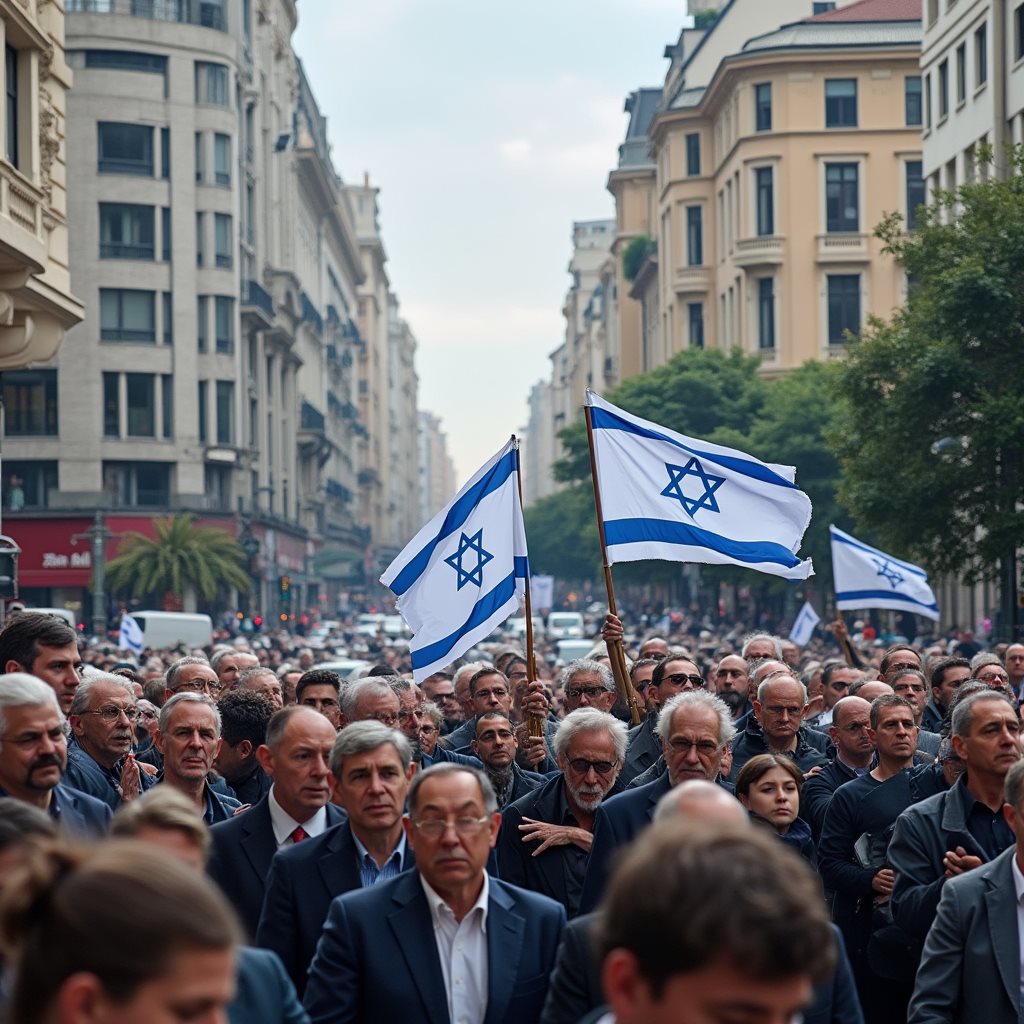
The Historical Foreign Policy of Israel
Israel’s foreign policy is central to its economic, military, and political policies. Since its establishment in 1948, Israel has focused on safeguarding its security and defending itself against external threats. The foreign policy is derived from Israel’s international relationships and its perspective on its future and global geopolitical status.
At its inception, Israel faced many challenges among the Arab countries that maintained hostile relations with Israel. To ensure its survival, Israel worked to sign peace agreements and establish diplomatic relations with friendly nations. Over the years, Israel has opened diplomatic relations with additional countries worldwide and has successfully established embassies and signed cooperation agreements.
Israel’s foreign policy depends on geopolitical conditions
Rebecca Cohen – Foreign Relations Specialist

Israel’s foreign policy also focuses on dealing with terrorist threats, bombings, and unrest worldwide. Israel provides guidance and assistance to friendly countries and seeks cooperation internationally to ensure its security and promote its interests.
In conclusion, Israel’s foreign policy changes and develops according to geopolitical and security realities. Israel focuses on its national interests and pays attention to security and peace in the region and in the world.
Israel needs to consult with international partners before making important decisions
Moshe Levi – Diplomat

The Balance of Power in the Middle East and Israel’s Neighbors
Israel’s foreign policy is based on the balance of power in the Middle East and towards its neighbors. Israel strives to maintain a military advantage over its enemies and preserve its ability to defend itself in risky situations.
Looking at the Middle East, Israel focuses on building diplomatic and military relationships with countries in the region and tries to maintain its offensive capabilities against threats. Israel finds itself in numerous geopolitical struggles in the region and seeks to act in a way that preserves its resilience against various enemies.

Regarding Israel’s neighbors, the country seeks to maintain good relations and build the capability to confront threats along its borders. Israel invests heavily in developing military technologies and protecting its borders to maintain a military advantage against potential neighbors.
In summary, the balance of power in the Middle East and Israel’s neighbors is part of its foreign policy, focusing on maintaining a military advantage and its defensive capabilities in risky situations.
Read More

Israel’s achievements in the international arena depend on its ability to communicate with other countries
Rachel Cohen – Diplomat
Israel’s Perception Influences Most Factors Affecting Its Foreign Policy
Israel’s foreign policy is a topic of great interest among researchers, other countries, and the general public. When discussing Israel’s perception influencing most factors affecting its foreign policy, it is important to understand the perspectives and complex processes behind policy decisions.
One of the key factors influencing Israel’s foreign policy is the political system and political leadership in the country. Israel’s perception of its political leadership may influence its actions regarding security, diplomatic, and economic matters.
The changing security situation in the region also influences Israel’s foreign policy. Articles on developments in the security environment in the Middle East and globally may impact Israel’s policy decisions on issues such as terrorism, relations with neighboring countries, and international interpretations.
Another factor to consider is the positions of the Israeli public and all citizens. Articles on the opinions and perceptions of the Israeli public on various issues may influence the direction of the country’s foreign policy.
In addition, Israel’s international relations and its perception in the eyes of the world are also significant. Articles on Israel’s relations with other countries, international organizations, and various entities may lead to changes in Israel’s foreign policy.
In conclusion, understanding the different perspectives and their relationships can help understand Israel’s policy regarding external affairs and decision-making processes in this area.
Israel’s Influence on Security and Diplomatic Relations in the Region
Israel, a small country in the Middle East, has a significant impact on security and diplomatic relations in the region. It is at the heart of the Arab-Israeli conflict and faces many challenges, such as Palestinian terrorism, Iran’s nuclear threat, and ongoing conflicts in Syria and Lebanon.
Israel influences security relations in the region through military and intelligence actions against threats such as terrorism and nuclear threats. Additionally, it maintains peace and partnerships with countries in the region and globally to strengthen global stability and security.
In the field of diplomacy, Israel influences security relations in the region by establishing diplomatic relations with many countries worldwide, such as the United States and European countries. It works to gain support for its military and intelligence operations and to strengthen security relations with countries in the region.
In conclusion, Israel is a strong force in the region, influencing security and diplomatic relations significantly. Its main contribution is to ensure Israel’s existence and security and to strengthen global stability and security.
Challenges and Opportunities in Israel’s Foreign Policy in the Modern Era
Israel’s foreign policy faces a variety of challenges and offers numerous opportunities in the modern era. One of the main challenges is Israel’s complex and ongoing relationship with neighboring countries and the region as a whole. Against the backdrop of territorial and political conflicts, Israel strives to maintain national security and establish diplomatic relations with neighboring countries.
Another important challenge is Israel’s relationship with the international community and international organizations. Israel strives to be understood among leading countries and maintain its position in the international community, while dealing with critics and attacks on its policies.
Alongside these challenges, there are many opportunities in Israel’s foreign policy. For example, closer ties with friendly countries like the US and India can contribute to cooperation with these countries and strengthen diplomatic relations.
Additionally, Israel can use its technological capabilities and innovation to improve its ability to influence the international reality and strengthen its position in the international community.
In summary, Israel’s foreign policy faces key challenges and offers fascinating opportunities in the modern era. It is essential to continue developing its diplomatic and strategic capabilities to ensure its security and position in the international community.