




1. The Influence of Colors on Mood
Colors deeply and intricately influence our mood. Using colors can improve our calmness and comfort, and also give us a sense of calm and peace. Warm colors like orange or red may increase our energy levels and create a feeling of warmth and pleasantness.
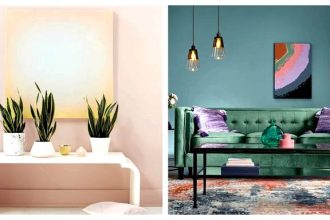
In addition, cool colors like blue or green can reduce stress and help us relax. These colors are soothing and calming, making them beneficial for people dealing with depression or anxiety.
There is no doubt that colors have a strong and complex impact on our mood. We need to be mindful and choose colors that positively and soothingly affect us, so we can create a pleasant and comfortable environment for ourselves and those around us.
Blue calms and creates a sense of comfort
Dan Cohen – Psychologist
Warm Colors for a Homely Feeling
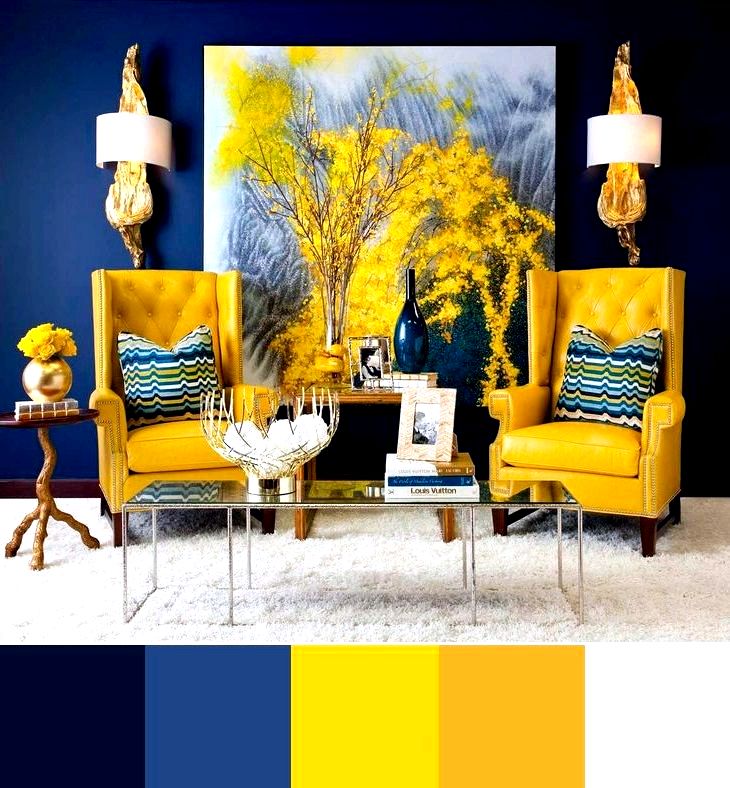
Warm colors like brown, orange, and yellow provide a homely and warm feeling to a space. These colors can be used in a balanced way to create a pleasant and inviting atmosphere in the home.
Among warm colors, brown is the warmest. Brown gives a feeling of warmth and homeliness, creating a sense of calm and comfort in the space. Brown can be used in a guided manner on walls, furniture, or accessories to ensure that the space looks perfect and tailored to your taste.
Orange is a warm and stimulating color that adds vitality and energy to a space. When combined with neutral and light colors, orange can be a perfect addition to your home design. Orange can be used in a guided way on furniture, decor ideas, or accessories to create a feeling of warmth and energy in the space.
Yellow is a warm and refreshing color that brings a sense of joy and optimism. Yellow is very suitable for small and stylish spaces, adding freshness and vitality to them. Yellow can be used in a guided way on decorations, design items, or toys to create a sense of optimism and joy in the space.
3. Folklore and Stunning Colors
The use of colors in home design is done according to the designer’s taste, but often also inspired by ancient folklore and tradition. Interior design that combines the stunning colors of local folklore can create a warm and pleasant atmosphere in a space. In many places around the world, colors like red, blue, and yellow serve as base colors for interior design, giving the space a unique and special character.
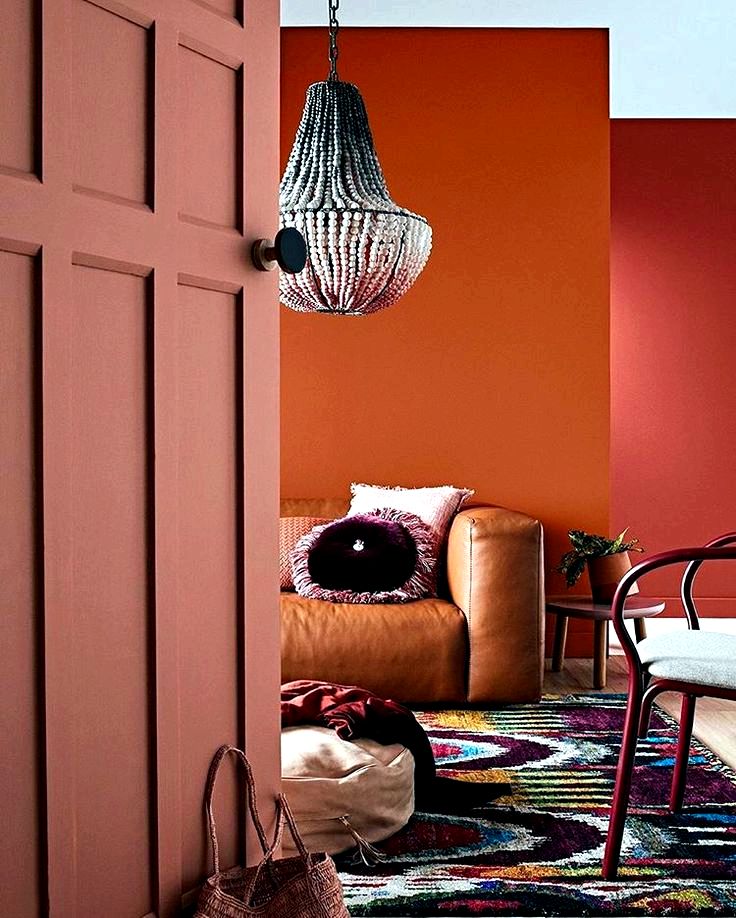
In African folklore, for example, delicate and natural colors like brown and blue can be found, representing nature and simple life. In Japanese folklore, blue and red are considered sacred and stunning colors, symbolizing strength and power. In Indian folklore, blue and orange serve as primary colors representing uniqueness and character.
Using warm colors can create a sense of pleasantness and comfort
Leon Goldberg – Architect
Every culture and folklore has its special colors that give the home or space a unique character and presence. Whether it’s art with mosaic colors or interior design with stunning wall colors, using colors inspired by folklore is a unique and stunning way to create comfort and warmth in the home space.
4. How to Use Colors to Create Calmness and Peace
Colors directly influence our feelings and how we feel in our surrounding environment. Colors can be a powerful tool in creating calmness and peace in our daily lives. When using colors correctly, we can positively influence how we feel and experience calmness and peace.
Here are some tips for using colors to create calmness and peace:
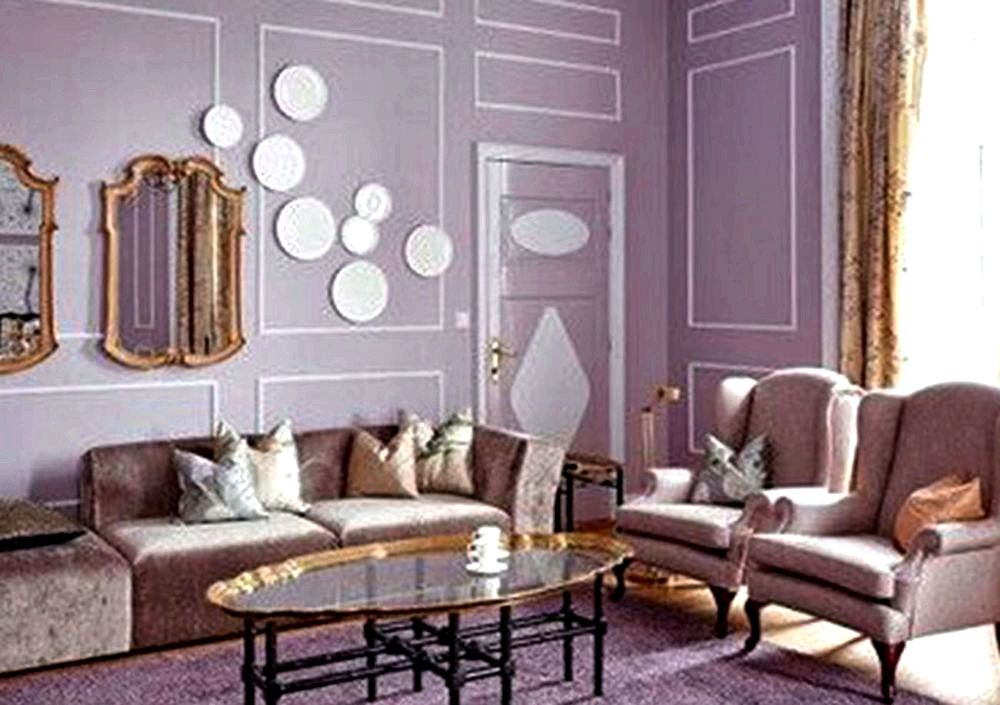
- Choose light and soft colors: Colors like white, soft pink, and light blue can create a feeling of calmness and peace.
- Combination of neutral colors: Combining colors like black, gray, and white can create an atmosphere of calmness and stability.
- Avoid using strong and bright colors: Strong colors like bright red or orange may create a sense of annoyance and disrupt calmness and peace.
- Use natural colors: Natural colors like brown, green, and blue can create a feeling of coolness and peace.
- Choose colors according to the desired feeling: It is important to choose colors that match the feeling of calmness and peace you want to create in a specific space.
5. Bold Colors to Boost Energy
Bold and bright colors have a positive impact on the energy of a space. Colors like red, orange, and yellow encourage movement and activity, balance and enhance ideas and conversations. When a color palette consists of bold colors, it makes the space feel energetic and active.
Using bold colors like blue, green, and purple encourages calmness and contemplation. These colors enhance emotional perception and promote mental relaxation. In spaces where such bold colors are used, people feel calm and peaceful.
In conclusion, choosing bold colors for space painting can be an effective means to boost energy and emotions in the space. Each color influences people in a different way, so it’s important to choose colors wisely and according to the need.
6. Neutral Colors for Creating a Relaxing Environment
When we seek to create a relaxing and comfortable environment in the home or office, there are neutral colors that can contribute to a sense of comfort and tranquility. Colors like white, gray, brown, and beige offer great solutions for creating a calm and soothing atmosphere in a space.
White is a classic color representing purity and cleanliness. Using white in a space provides a feeling of comfort and calmness, brightens the space, enlarges it, and decorates it uniquely.
Gray is a neutral color that provides durability and stability to a space. Using a gray shade adds tranquility and stability to the space, perfect for use in bedrooms and workspaces.
Brown is a central color that gives warmth and pleasantness to a space. Using a brown shade can create a feeling of warmth and pleasantness, contributing to a pleasant and inviting atmosphere.
Yellow encourages vitality and creates a sense of comfort
Shirley Cohen – Fitness Trainer
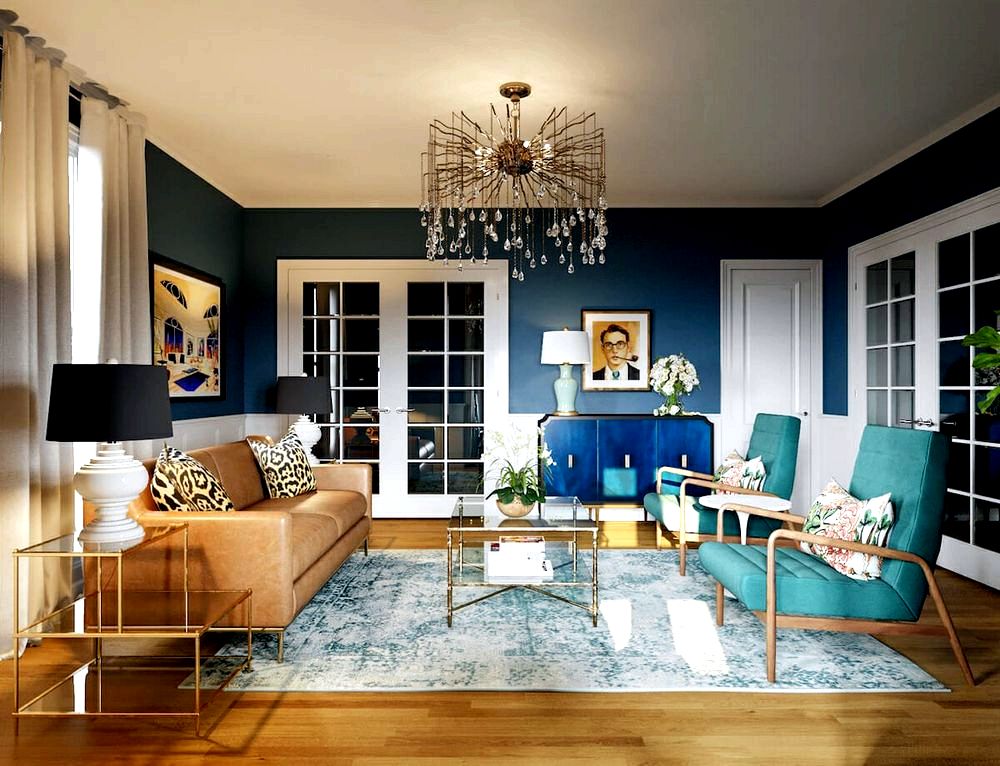
Beige is a neutral color that combines blue and gray. This color provides calmness and stability to a space, perfect for bathrooms and bedrooms.
In conclusion, using neutral colors such as white, gray, brown, and beige can significantly contribute to creating a relaxing and pleasant environment in different spaces. We need to pay attention to color planning in the space, in order to create a feeling of comfort and tranquility in the surrounding environment.
Influence of Colors on Furniture and Interior Design
Finishing furniture and interior design in colors can be challenging and interesting at the same time. Colors can enhance or change the feel and look of spaces and furniture. By choosing the right tones and matching them to the main design of the space, we can create a feeling of comfort and a pleasant atmosphere in every space.
When it comes to furniture, warm tones like brown, gold, and smoky blue create a luxurious and inviting atmosphere. Cool tones like gray, soft blue, and dual green can convey a feeling of calmness and relaxation. By matching between these two types of tones, a balanced and impressive atmosphere can be created simultaneously.
Additionally, great importance can be placed on the use of colors in interior design. Warm and rich colors can give a space warmth and pleasantness. Cool tones and water colors can create a feeling of calmness and coolness. By combining both types, a pleasant and balanced space can be created.
In conclusion, it is important to remember that the correct use of colors can contribute to creating a feeling of comfort and pleasantness in spaces and furniture. This process requires a wise choice of tones and their adaptation to the main design of the space, in order to create a pleasant and impressive tactile experience.