



1. History of Monochromatic Style in Interior Design
Monochromaticism is a technique in facial design that uses shades of gray, black, and white only. This style has been in use for hundreds of years, and its history is rich and interesting.
In ancient times, monochromaticism served as a way to create stunning paintings and photographs. Over the years, the style evolved and spread to other areas, and today it is also found in interior design.
In interior design, monochromaticism adds calm and a minimalist atmosphere. The use of neutral tones creates a sense of cleanliness and order, giving the space a modern and elegant look.
The monochromatic style is suitable for all types of spaces, from simple and small to large and impressive. In addition, it is suitable for all design styles, from classic and antique to modern and industrial designs.
In summary, monochromaticism is an excellent technique for creating impressive and modern interior design. With its ancient history and the sense of cleanliness it brings, this style is suitable for all spaces and design styles.
Techniques and Means for Creating Monochromatic Design
Monochromatic design is a style that uses shades of gray, black, and white only. This principle can create a sense of depth, intimacy, and classicism in the interior. How can you create successful monochromatic design?
One of the key techniques in monochromatic design is using different shades of gray to create depth and drama. Using light and dark shades can create a sense of fluctuation and shadows in the space. Black and white can also be used as a strong and immediate focal point in design.
Another important technique is using different textures to add dimension and interest to the space. A textured wall, a soft rug, or natural wood furniture can turn the monochromatic space into an impressive and interesting one.
Additionally, proper lighting is essential to create the right atmosphere in a monochromatic space. Soft and diffused lighting can create a sense of calm and warmth, while strong and focused lighting can create a sense of drama and intensity.
Finally, pay attention to small details and choose accessories and furniture that fit the monochromatic style. Choosing fitting colors, shapes, and textures can add an additional level of depth and aesthetics to the space.
3. Ideas for Using Neutral Colors and Matching Colors in Interior Design
In monochromatic style interior design, using neutral colors and matching colors serves as an effective way to create a calming and modern atmosphere. Neutral colors such as white, black, gray, and beige give the space a clean and minimalist look. When combined with matching colors like ginger, brown, or blue, a perfect combination can be created that adds warmth and light to the space.
You can use black and white in a creative way as well as in a classic way
Uri Cohen – Interior Designer
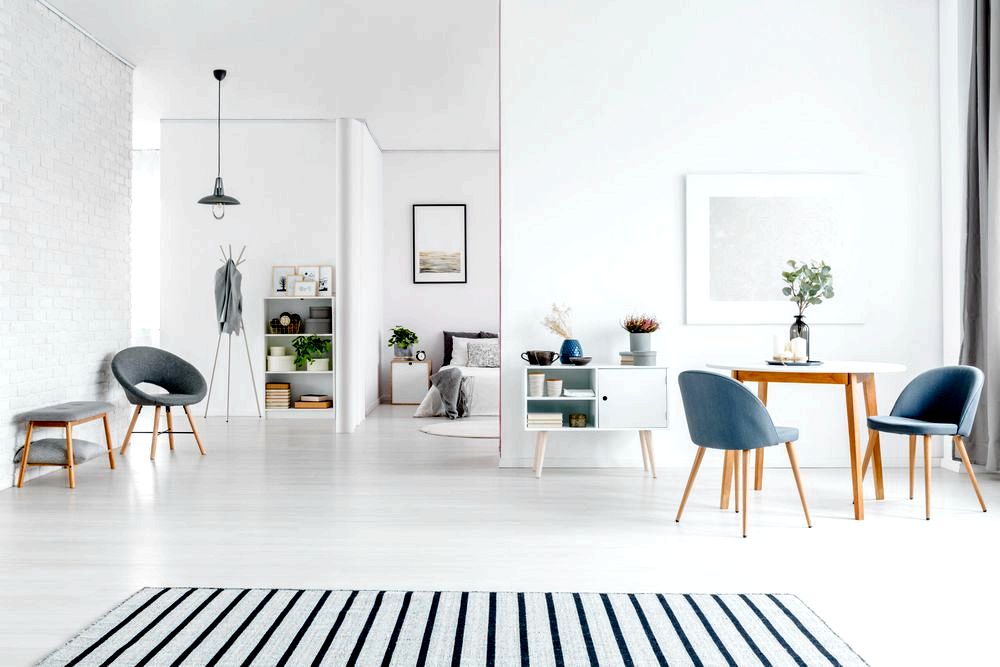
Using neutral colors and matching colors has many benefits. They are suitable for a variety of design styles and allow the design system to change easily. Additionally, they provide a sense of calm and lightness to the space, allowing objects and furniture to stand out in a meaningful and impressive way.
To use neutral colors and matching colors in interior design, you can use walls in white or gray tones, furniture in shades of black or blue, and add accessories such as pillows or rugs in ginger or brown tones. You can also combine plants and greenery in metal boxes to create hints of natural and warm colors.
In conclusion, to create a successful monochromatic space, it is important to use neutral colors and matching colors in a stable and balanced manner. This creates a sense of balance and tranquility that serves the design purpose perfectly and enhances the interior design experience.
Examples of Monochromatic Design in Bedroom and Living Room Interiors
In spaces like bedrooms and living rooms, monochromatic style can be used in several different ways. For example, you can use shades of gray combined with furniture and accessories in black and white. This way, you can create a modern and elegant look simultaneously.
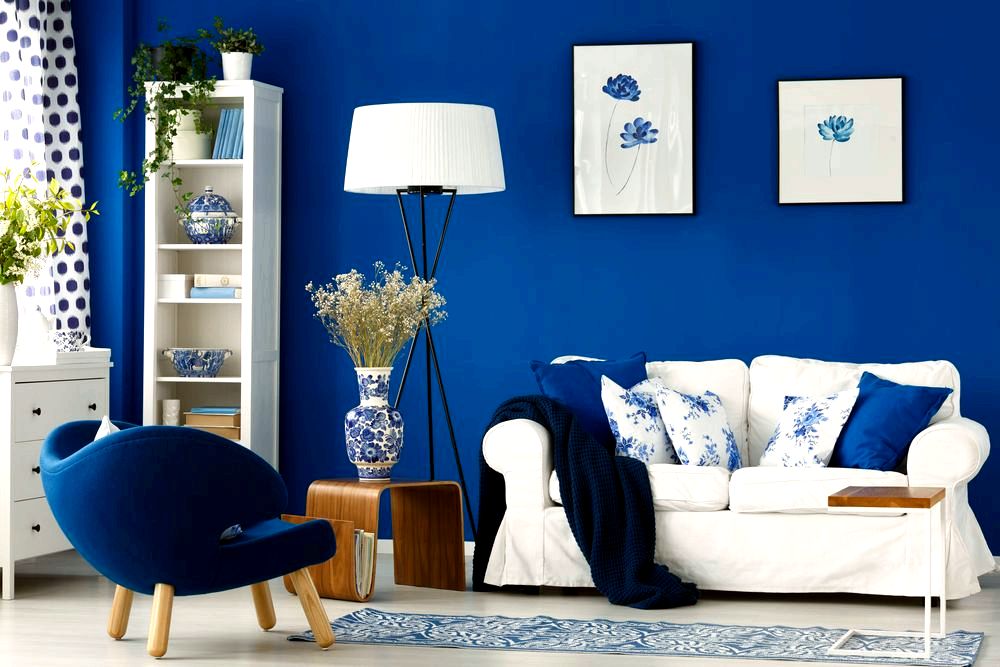
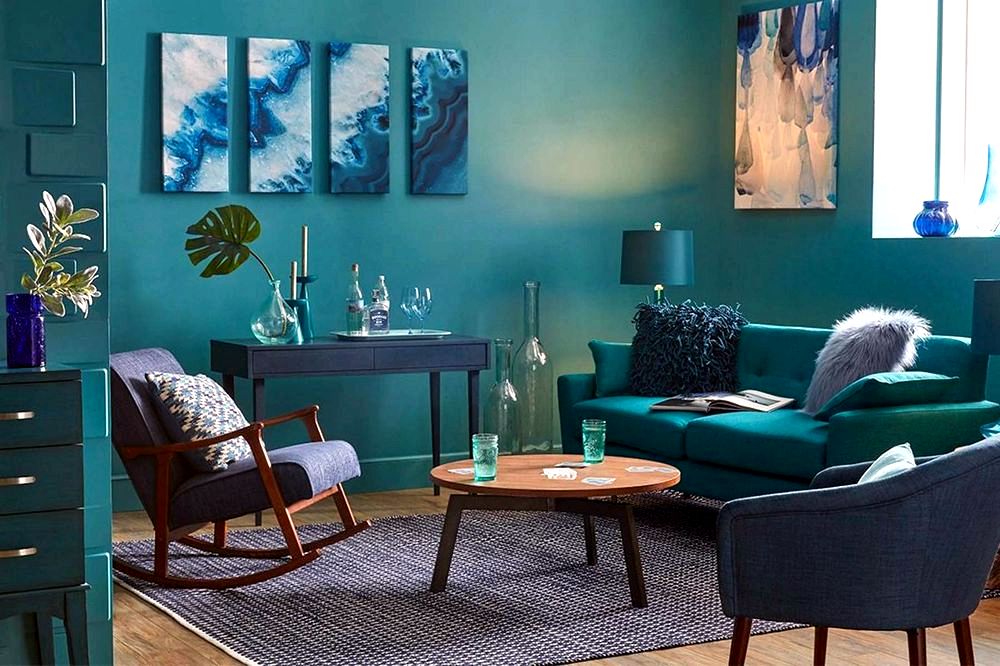
Another example of monochromatic design in interiors is using shades of blue throughout the space. You can use different shades of blue on walls, furniture, and accessories to create a refreshing and impressive look.
Additionally, you can use shades of brown and beige and combine them together in the interior space. This is a warm and inviting design style that can create a pleasant and calming atmosphere in the space.
In conclusion, monochromatic design is a stunning style that can convey a modern, elegant, and unique look in home spaces. With the right combination of colors and elements, functional and impressive spaces can be created.
How to Combine Colorful Accessories in Monochromatic Design
When it comes to monochromatic interior design, it may seem that there is not much room to add color. However, this is not necessarily true. You can use colorful accessories to add texture and style to the monochromatic space. Here are some tips for successfully combining colorful accessories:
1. Choose complementary colors
Choosing accessories in complementary and matching colors to the monochromatic tones of the space will add depth and interest to the design.
2. Focal point
Use a colorful accessory as a focal point in the monochromatic space. This will create a focal point in the space and enhance its overall look.
3. Follow the quantity
There is no need to overwhelm with colorful accessories. Think of accessories as an additional texture and add them in a balanced and moderate way.
4. Use of pictures and paintings
Clean lines and simplicity in design make the space look more spacious and elegant
Dana Shahar – Interior Designer
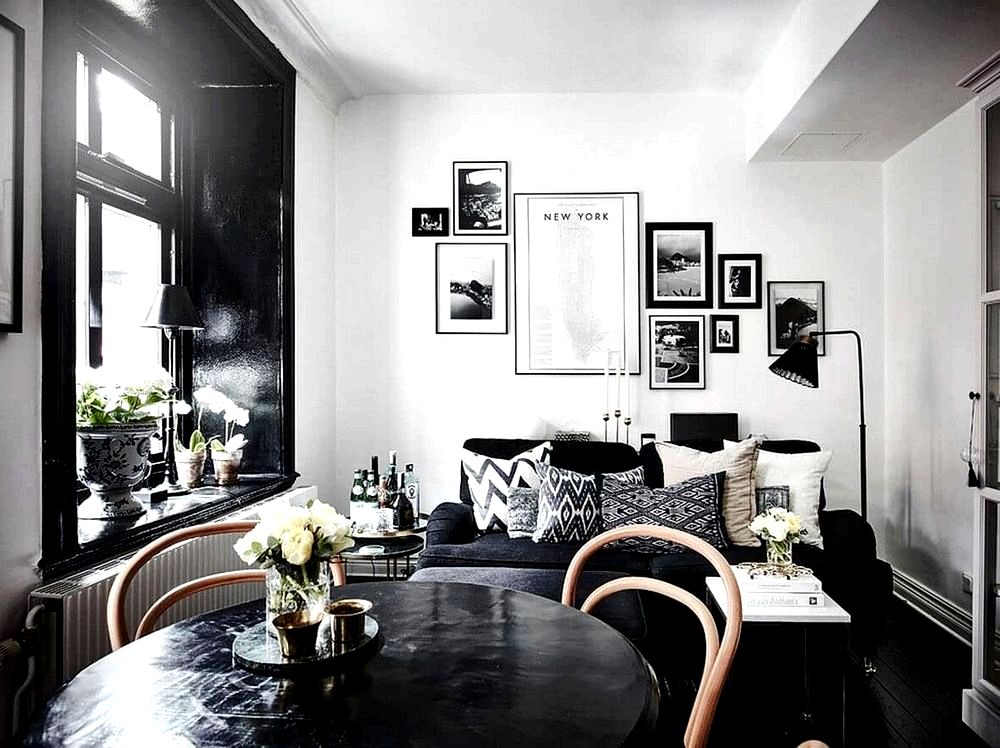
Pictures and paintings in warm and colorful colors can be perfect accessories for a monochromatic space.
5. Color coordination
Colorful items should complement each other and match the general tones of the space. This will create harmony and unity in the design.
6. Tips and Recommendations for Perfectly Transforming Spaces into Monochromatic
When you want to create a monochromatic space in your interior design, there are some tips that can help you achieve the perfect look you are looking for. Here are some important recommendations:
1. Use different shades of gray, black, and white to create a sense of depth and a minimalist and modern look.
When choosing monochromatic colors, it is important to focus on the interplay of textures and tones
Shlomo Cohen – Interior Designer
2. It is preferable to use simple and clean design furniture to not disturb the monochromatic style you want to create.
3. Use natural materials and rich textures like wood, metal, and stone to add dimension and interest to the space.
4. Use proper lighting to create shadow and light effects on your walls and furniture.
5. Plan the space creatively and emphasize the small details that can add a lot to the overall look of your monochromatic space.
Following these tips and recommendations, you can turn your spaces into perfectly monochromatic ones and enjoy a modern and impressive interior design look.
The Influence of Monochromatic Style on the Atmosphere and Feel of the Space
Monochromatic style in interior design represents an aesthetic approach that relies on using shades of black and white, and everything in between. This method creates a sense of cleanliness, lightness, and elegance in the home space. The combination of the basic colors restricts the eye and gives the space a minimalist and impressive look.
In interior design in monochromatic style, a wide use of natural materials and rich textures can be seen, complementing the basic colors. Vegetation and wood blend perfectly with black and white, creating a warm and soothing look that conveys an atmosphere of calmness and serenity.
The transparency and cleanliness of the monochromatic style allow light to enter the space perfectly, sharpening the lines and illuminating the space optimally. All of this adds to the feeling of comfort and confidence in the home space.
Monochromatic style in interior design also influences the feeling in the space. The feeling of spaciousness is at its peak, and the sense of warmth and intimacy is easily achieved. All of this allows residents to feel comfortable and relaxed in every corner of the home.