



1. Using Light Colors
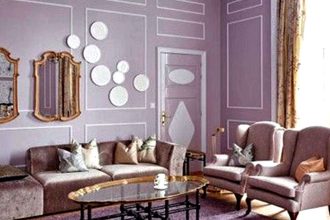
Choosing light colors can add spirituality and space to small spaces. When using such colors, they can create a sense of volume and brighten up the space. Light colors affect the lighting in the space and promote a sense of spirituality and openness.
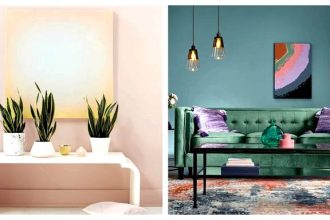
One of the common techniques for using light colors is to use light wall colors like white, peach, or blue. You can also add additional items in light colors, such as furniture or flooring, to give the space even more height and spirituality.
In addition, light colors can improve the feeling of spirituality and size in small spaces. When using light colors, it can create a sense of volume and brighten up the space, which can ease the feeling of density in the space.
Combining different colors can create a unique and interesting look
Abigail Cohen – Interior Designer
2. Using Warm Colors
When it comes to small spaces, choose warm and neutral colors that illuminate the space and make it inviting. Warm colors like brown, cream, beige, and mustard provide a sense of warmth and pleasantness. They can also create calmness and shrink the physical space.
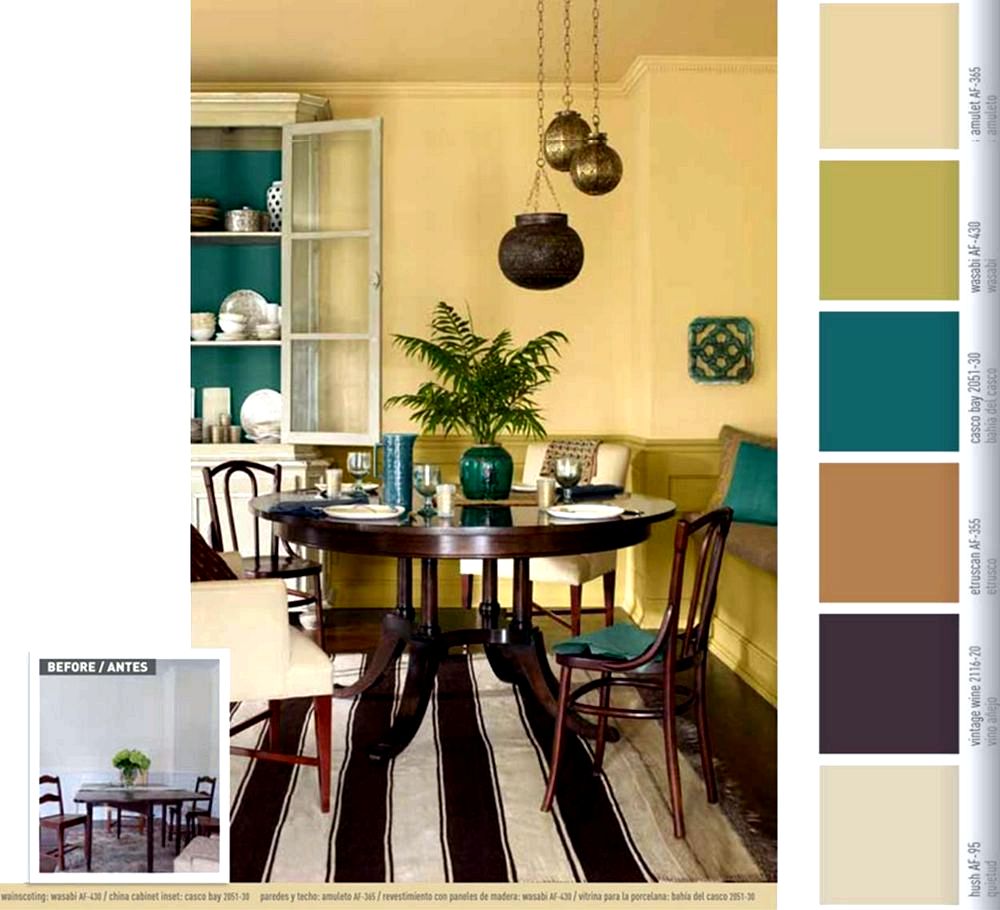
Additionally, it’s advisable to avoid using dark and strong tones in small spaces, as they may create a sense of density and confinement. Instead, opt for light and bright tones that can make the space appear larger and more airy.
If you want to add some intensity and boldness to the small space, you can use earth tones like taupe, terracotta, or gray. They can give the space a modern and unique look, creating a sense of depth and space.
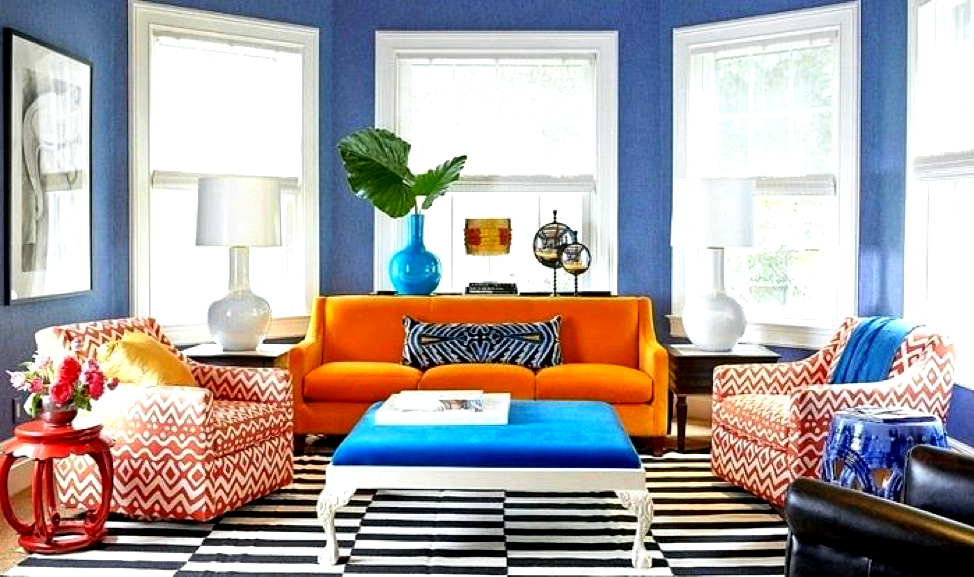
In conclusion, choosing the right colors for small spaces is critical and can significantly improve the feel of the space. Warm and neutral colors, combined with light tones and earth tones, can create a modern, pleasant, and appealing look. All of these can bring a cozy and inviting feel, even in small spaces.
3. Using Cool Toned Colors
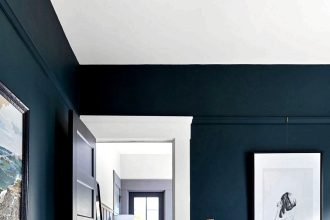
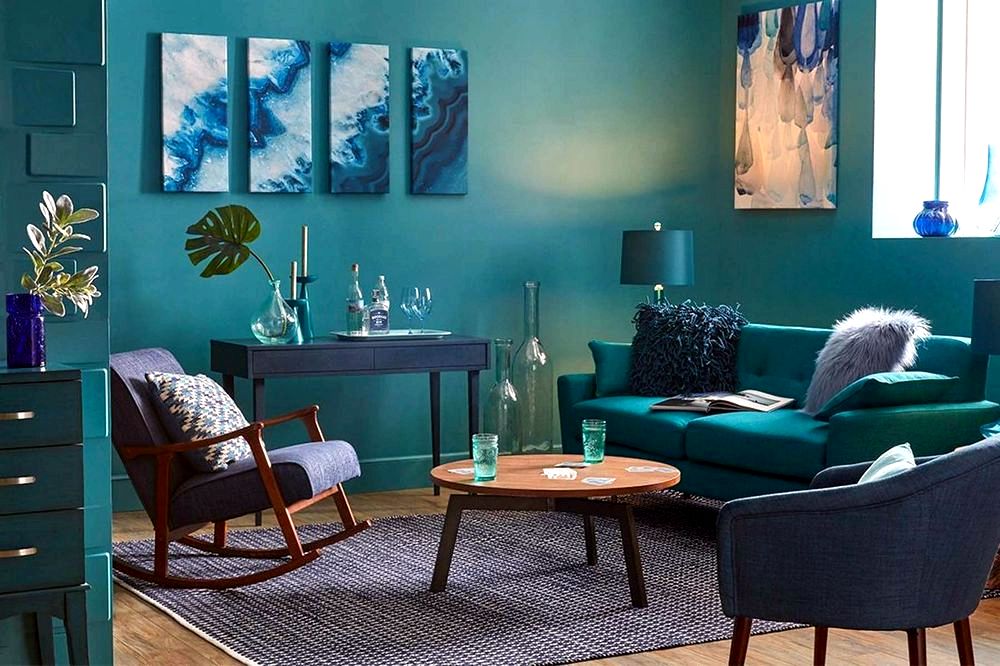
Choosing cool toned colors can be an effective trick to create a sense of spaciousness in small rooms. Cool tones like black, gray, blue, and green provide comfort and spirituality to the space. When opting for dark colors like black or gray, it’s advisable to combine them with light colors to avoid creating a sense of darkness in the space. Blue and green can add freshness and tranquility to the space, creating a sense of calmness.
Additionally, when using cool toned colors, it’s advisable to refrain from using a large amount of light or warm colors in the small space. This helps maintain the balance and unity of the space, avoiding a cluttered or cramped feeling. Furthermore, you can use accessories in light or warm tones to add details and depth to the space.
In conclusion, using cool toned colors can be an effective tool for creating a sense of spaciousness and comfort in small spaces. When using dark colors, it’s recommended to combine them with light colors to maintain balance and avoid creating a sense of darkness. Blue and green can add freshness and tranquility, creating a sense of calm in the space.
4. Using Light and Bright Colors in Different Spaces
Light and bright colors generally reflect light in the area and add a pleasant atmosphere. In small spaces, using such colors can create a sense of space and comfort. When choosing colors for a small space, it’s important to remember that dark colors can add a sense of density and constriction to the space. To efficiently use light and bright colors, it’s advisable to stay away from dark colors and remember neutrals to prevent the space from becoming lifeless. In kitchen and bathroom spaces, light colors can help add a sense of cleanliness and tidiness. In bedrooms, light colors can make the room feel more spacious and pleasant. In workspaces, light colors can convey a sense of calm and serenity. In summary, choosing light and bright colors in small spaces can enhance the feel of the space and create a sense of comfort and pleasantness for its inhabitants.
5. Using Colors with Effects and Highlights
When planning the design of a small space, it’s important to use colors with effects and highlights smartly to create a sense of a wider space. By choosing the right colors, you can create a feeling of size and comfort even in small spaces.
Use light colors on the walls of the room to create a sense of large and open items. Choose warm and soft tones that will help make the space pleasant and calming.
To highlight a part of the space, you can use a warm or bold color so that the eye focuses on that area. This can be an accent wall, a contrasting item against a smooth background, or even a colorful piece of furniture that stands out in the small space.
Blue color adds calmness and a modern look to a small space
Roni Levi – Interior Designer
It’s important to paint walls in different tones to create layers and depth in the space. You can use soft colors for the texture layer and bold colors for materials like wood or metal.
Also, don’t forget to emphasize lighting – use warm and soft lighting to highlight the advantages of the colors and create a pleasant and calming atmosphere in your small space.
6. Using Neutral Colors
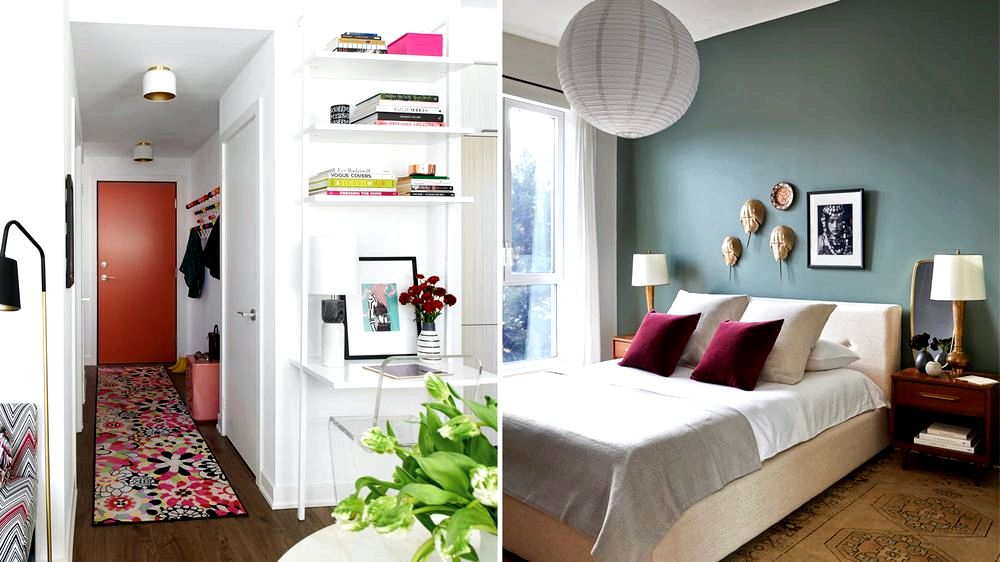
When it comes to small spaces, there are neutral colors that can help create a sense of a wider space and brighten the space. These colors include white, gray, beige, brown, and blue. Choosing neutral colors can create a sense of cleanliness and order in the space, giving it a modern and elegant look.
Use neutral colors on the walls and bars in the space to minimize the appearance and create a sense of width. You can add touches of strong and bright colors like yellow or blue in accessories and pictures to emphasize specific items and give the space vitality and character.
Neutral wall colors can be black, white, or gray. You can enhance the look by using warm wall colors like brown and blue but in a modern and minimalist way. Additionally, you can use neutral colors on furniture and flooring in the space to create a balanced and modern look.

Red color can add energy and warmth to a small space
Maya Cohen – Interior Designer
7. Using Colorful and Unique Colors Sparingly
Using colorful and unique colors in small spaces can be challenging, but with a few simple tips, you can create a unique and refreshing atmosphere. When choosing bold and unique colors, it’s important to maintain a proper balance between the colors and not make the space overwhelming.
Using colorful tones as walls or small furniture can add life and energy to the space. You can use bold colors like yellow, blue, or red sparingly to create a focal point in the space. You can also combine warm colors with cool colors to create a balanced and calming atmosphere.
Not every color will suit every space, so it’s important to try and see which colors work best together for the specific space. You can also use modern images or ideas to achieve an aesthetic and interesting look.
Choosing colorful and unique colors sparingly can be an interesting and refreshing way to add life to small spaces. Always remember to maintain a proper balance between the colors and experiment to see which colors work best together in your space.