



1. Familiarity with Minimalist Style in Textile Design
Textile design in a minimalist style is a design approach that focuses on simplicity, cleanliness, and a clean and organized look. In principle, the style encourages the use of light and neutral colors, simple shapes, connected lines, and the use of natural materials.
In minimalist textile design, the central principle is “less is more.” It is a style that focuses on functionality and simplicity, trying to extract true beauty from the authenticity and simplicity in design.
Simplicity brings clear and meaningful expression.
Rebecca Cohen – Photo editor
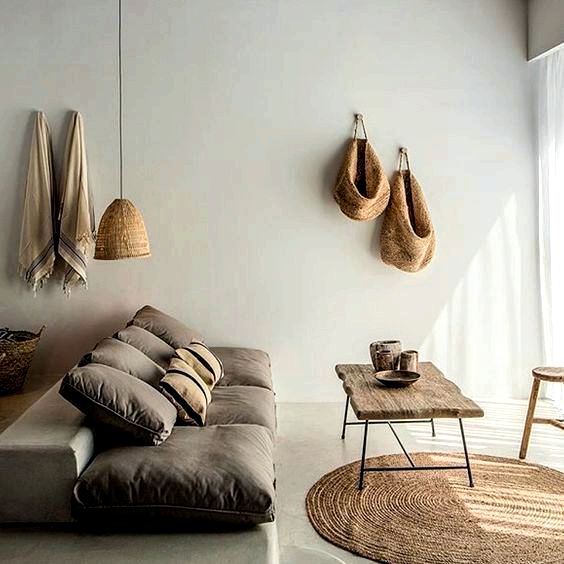
In textile, this is evident in the use of natural fabrics such as silk, cotton, organic silk, and the like. Also, neutral colors like white, gray, brown, and blue can be seen. Prints and patterns in textiles focus on simple shapes and connected lines.
Familiarity with the minimalist style in textile design can be interesting and challenging. When combining simplicity with aesthetics, it is possible to create textile items that combine beauty with functionality, providing a clean and modern look.
2. Ideas for Using Colors in a Minimalist Style
In an era where minimalist style reigns in the textile field, many are interested in bringing new ideas for using colors. One way to achieve this is by using colors in a smart and interesting way. When it comes to minimalist style, it is important to maintain cleanliness and order even in the use of colors.
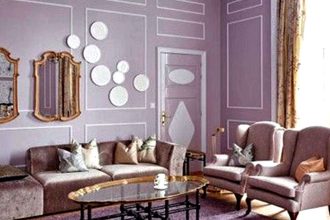
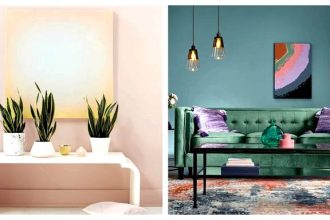
One fascinating idea for using colors in a minimalist style is to use neutral and simple colors against a white or black background. Colors like gray, brown, blue, or soft green can create a sense of calm and cleanliness in the design, giving it an elegant and modern look.
Another idea is to add graphic developments on a flat and clean background. By combining neutral colors with colorful graphics, an interesting and modern effect can be created that enhances the overall look of the textile.
Recently, a wonderful idea is to combine natural colors with warm colors. This way, an interesting combination can be created that conveys warmth and comfort while maintaining the cleanliness and order characteristic of minimalist style.
In conclusion, choosing colors in minimalist textile design can achieve a modern, clean, and elegant look. Everyone can find the idea that suits them and implement it in their designs in a unique way.
3. Techniques for Using Texture in Textile Design
In textile design in a minimalist style, it is important to remember that texture is a key element in creating the feel and overall look of the fabric. When using textures correctly, it is possible to create a sense of depth, dimension, and unconventional beauty. Here are some techniques in textile design that can help you use texture creatively and successfully:
- Use layers of different textures – choose different textures and combine them aesthetically. Try combining delicate and classic textures with rich and modern textures to create a sense of depth and an impressive look.
- Use patternless colors – choose textures with patternless or digital colors to create a minimalist and clean look. When the texture is rich in colors, it can be used to create a rich and interesting touch.
- Use natural texture – choose textures reminiscent of natural and useful materials to create a natural and original look. Textures like wood, ceramics, stone, or natural fabric can contribute successfully to minimalist style design.
By combining different textures, patternless colors, and natural textures, it is possible to create minimalist textile designs that convey the desired look and feel. Remember, simplicity and lightness are the keys to successful design in a minimalist style!
Examples of Minimalist Style Textile Design
- A bedspread in a uniform and simple color, with clean lines and no frills.
- A light and cozy blanket in shades of gray or white, without complex patterns.
- A dance table in a minimalist style, with neutral and simple colors.
- Hand towels in quiet and simple colors, without complex patterns or stripes.
- A backpack for school or work in a minimalist design, with straight lines and clean colors.
Minimal details lead to a refreshing and clean look.
Jacob Cohen – Interior designer
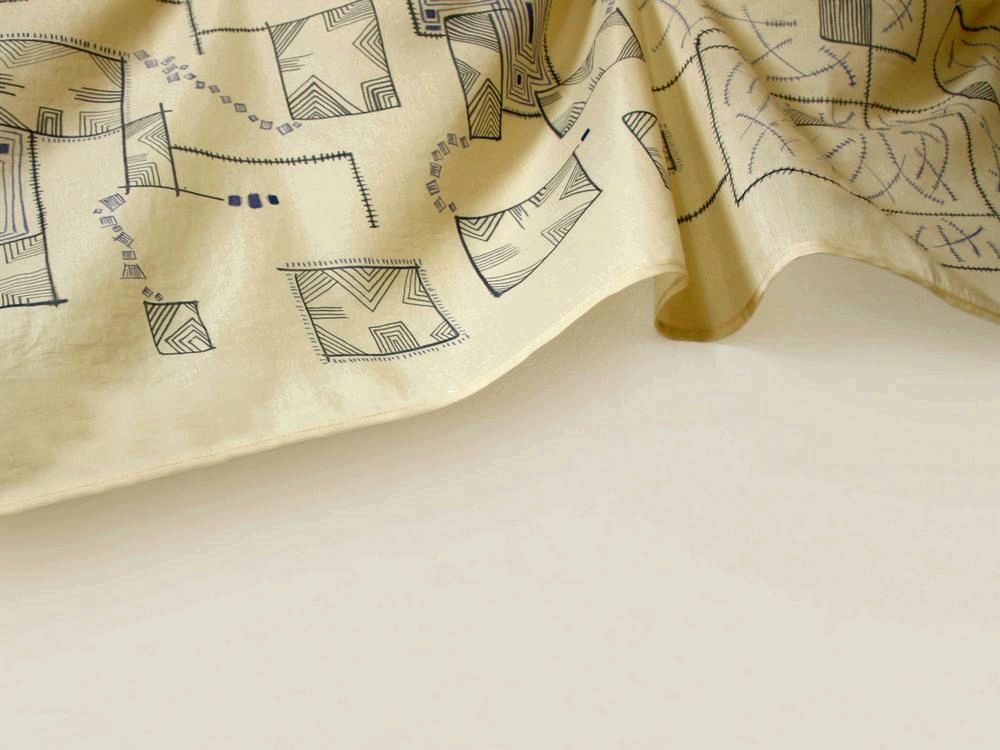
The Influence of Light and Space on Minimalist Textile Design
Light and space are two key elements that are inseparable from minimalist style textile design. In minimalist design, the use of light is central and affects the sense of cleanliness and order in the design. The use of light allows for creating a sense of spaciousness and spirituality in the space, enhancing the overall look of the textile.
Additionally, space also influences minimalist style design. In minimalist design, the use of open space and simplicity encourages a sense of calm and ease. The use of space may ease the eye and create a sense of comfort and security in the space.

Therefore, it is important to understand how light and space influence minimalist style textile design and to use them correctly to create a perfect and impressive design.
6. Creating a Sense of Cleanliness and Order in Textile Design
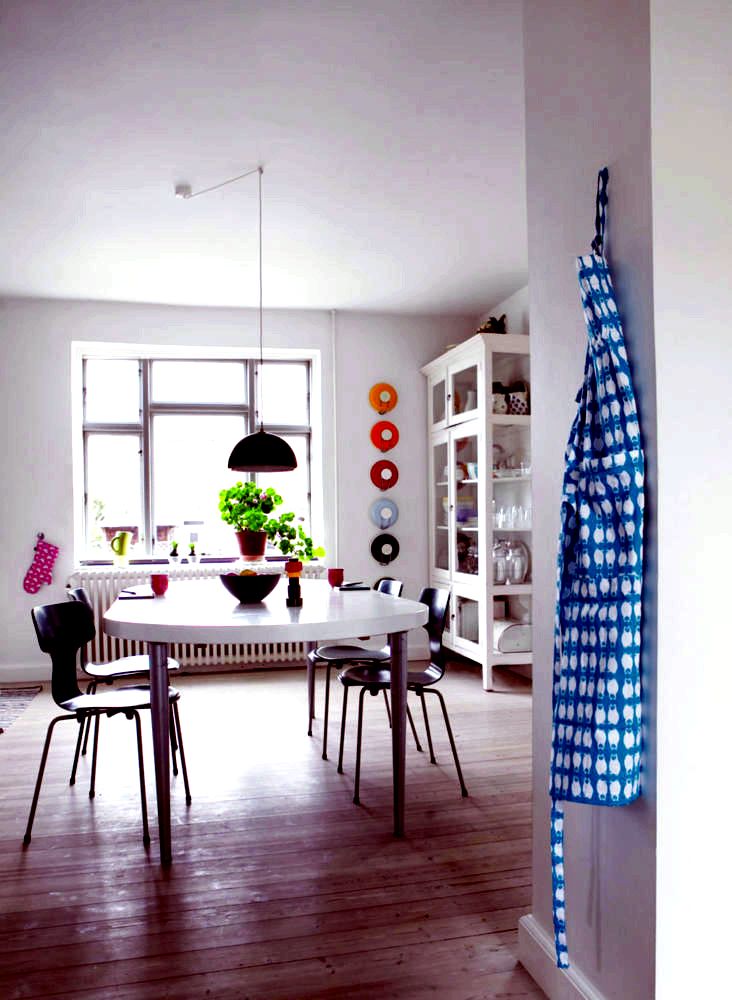
Textile design in a minimalist style focuses on creating a sense of cleanliness and order in the space. Choosing neutral and light colors, such as white, gray, and lighter shades, can contribute to a calm and uplifting atmosphere in the space. The use of simple shapes and straight lines helps create a sense of order and cleanliness, allowing the space to feel spacious and open.
When embodying minimalism in textile design, it is important to emphasize simplicity and efficiency. Neglecting unnecessary details and opting for quality and pleasant-to-touch materials can give the space a modern and impressive look.
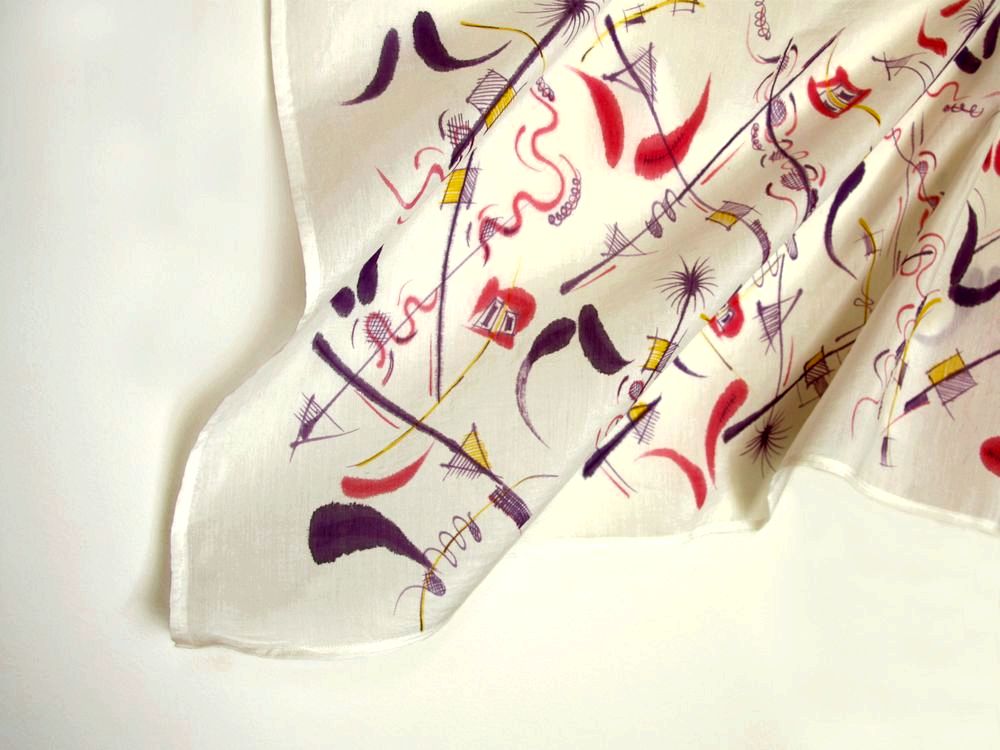
Creating a sense of cleanliness and order in textile design in a minimalist style also requires attention to the organization and storage of items in the space. Choosing simple and functional cabinets, coffee tables with clean lines, and beds with simple designs can contribute to a tidy and organized look that allows the space to feel pure and pleasant.
Minimalist text – concise life.
Susan Cohen – Content writer
7. Various Applications and Uses of Minimalist Textile Design
How can minimalist textile design be used creatively and diversely? Here are some ideas for various applications and uses of minimalist textile design:
1. Minimalist cotton fabrics can be used for sewing upholstery for chairs, sofas, and beds. Neutral and simple colors will add a light and uplifting atmosphere to the space.
2. Delicate and minimalist geometric patterns can be used to create decorative images on home walls or furniture.
3. Pillows and blankets in a minimalist design can upgrade any living space subtly and elegantly.
4. Children’s clothing in a minimalist design with clean and simple lines can provide a modern and pleasant look for children.
5. Clean and simple minimalist fabrics can be used for sewing towels, beddings, and children’s toys in a clean and modern design.
6. Minimalist textile bags can be excellent items for daily use, at work or on trips, giving a tidy and elegant look.