
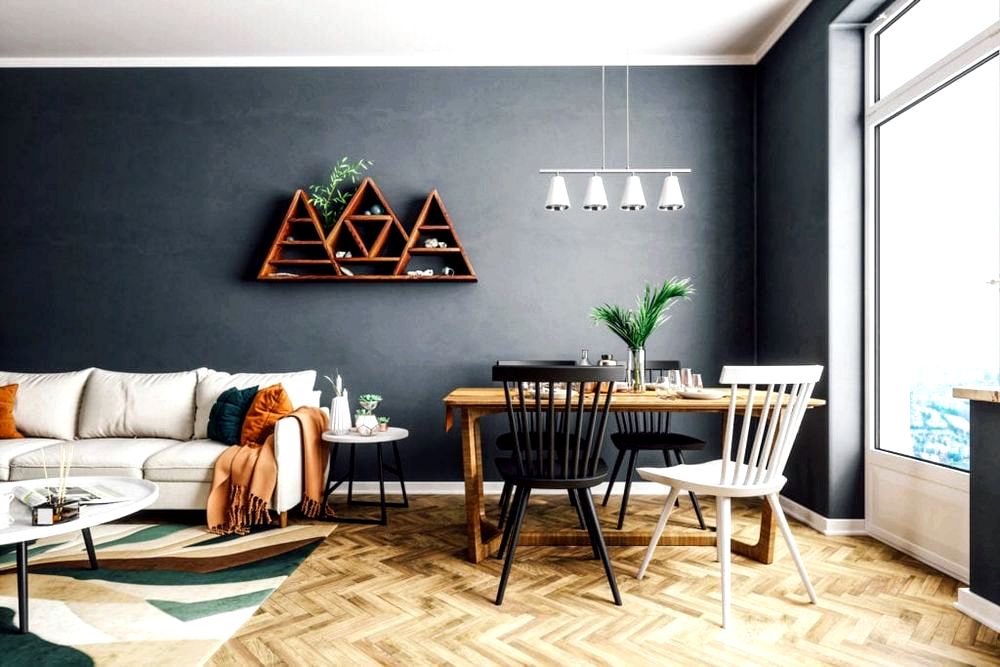
History of Elements in Scandinavian Design
Elements in Scandinavian design utilize specific design ideas and principles that have undergone a process of development since design styles began to emerge in Scandinavia in the 20th century. These ideas reflect the unique values and culture of the countries in this region and also reflect the cold climate they are in. Throughout history, Scandinavian design has undergone many changes and developments that have influenced the use of elements in textile design.
At the beginning, textile designs in Scandinavia were mainly simple and modest, reflecting the simple lives of the region’s residents. Over the years, more advanced techniques developed, incorporating decorative elements that gave Scandinavian design its minimalist and modern look seen today.
Over time, new techniques for dyeing fabrics also developed, leading to a wider use of colors in textile design. Colors like white, gray, and blue are common in Scandinavian design and reflect the unique Scandinavian taste for beauty and cleanliness.
Along with the use of colors, geometric shapes and fabric manipulations also evolved and became central elements in Scandinavian textile design. Simple shapes like straight and sharp lines and abstract circles appear on fabrics, giving them their unique minimalist look.
Thus, it can be seen that elements in Scandinavian textile design have undergone significant development since their initial use in early styles. The use of colors, geometric shapes, and fabric manipulations in textiles reflects the unique values and styles of this region, giving Scandinavian textile design the minimalist and modern look it is known for today.
Common Colors and Textures in Scandinavian Design
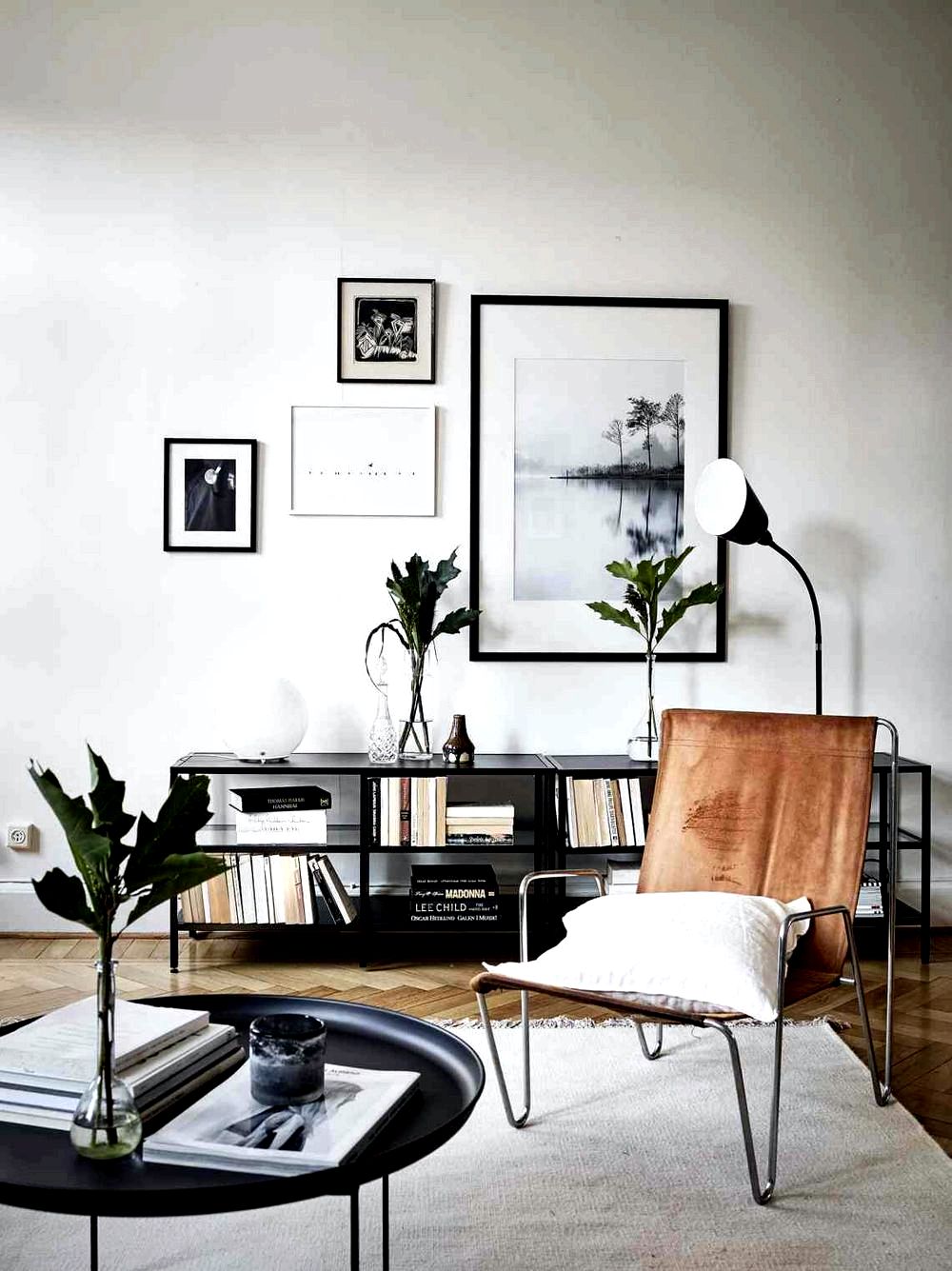
Neutral and soft colors form the basis of Scandinavian design. Shades like white, gray, and beige are particularly suitable for simple and clean design. Warm colors like terracotta and wood tones can be used to create a warm and comfortable feeling in a space.
Natural textures like wood, linen, and ceramics offer an organic and warm look to space. Simple decorations like rugs in neutral tones, wool, and pillows in warm tones of brown and terracotta create a calm and pleasant atmosphere.
In Scandinavian design, functional thinking blends with design charm and comfort. Minimalist furniture in neutral tones allows space to appear spacious and open while maintaining a sense of warmth and homeliness.
In Scandinavian spaces, there is a heavy use of greenery that does not require special care and exudes calmness and naturalness. Simple and beautiful plants are particularly suitable for Scandinavian design, blending perfectly with the neutral and natural design that characterizes it.
Leading Shapes and Patterns in Scandinavian Design
Scandinavian design is characterized by simplicity, cleanliness, and neutral colors. Shapes and patterns are central components of this style and significantly influence the overall look of the design.
Textile items are an integral part of minimalist Scandinavian design
Sarah Golan – Textile Designer
One of the leading shapes in Scandinavian design is clean and simple lines. Ordered and minimalist lines add cleanliness and calmness to space, creating an impression of order and organization.
Another significant shape in Scandinavian design is the high demand for symmetry and geometric shapes. Simple shapes like angles, circles, and squares appear in furniture, textiles, and accessories in this style.
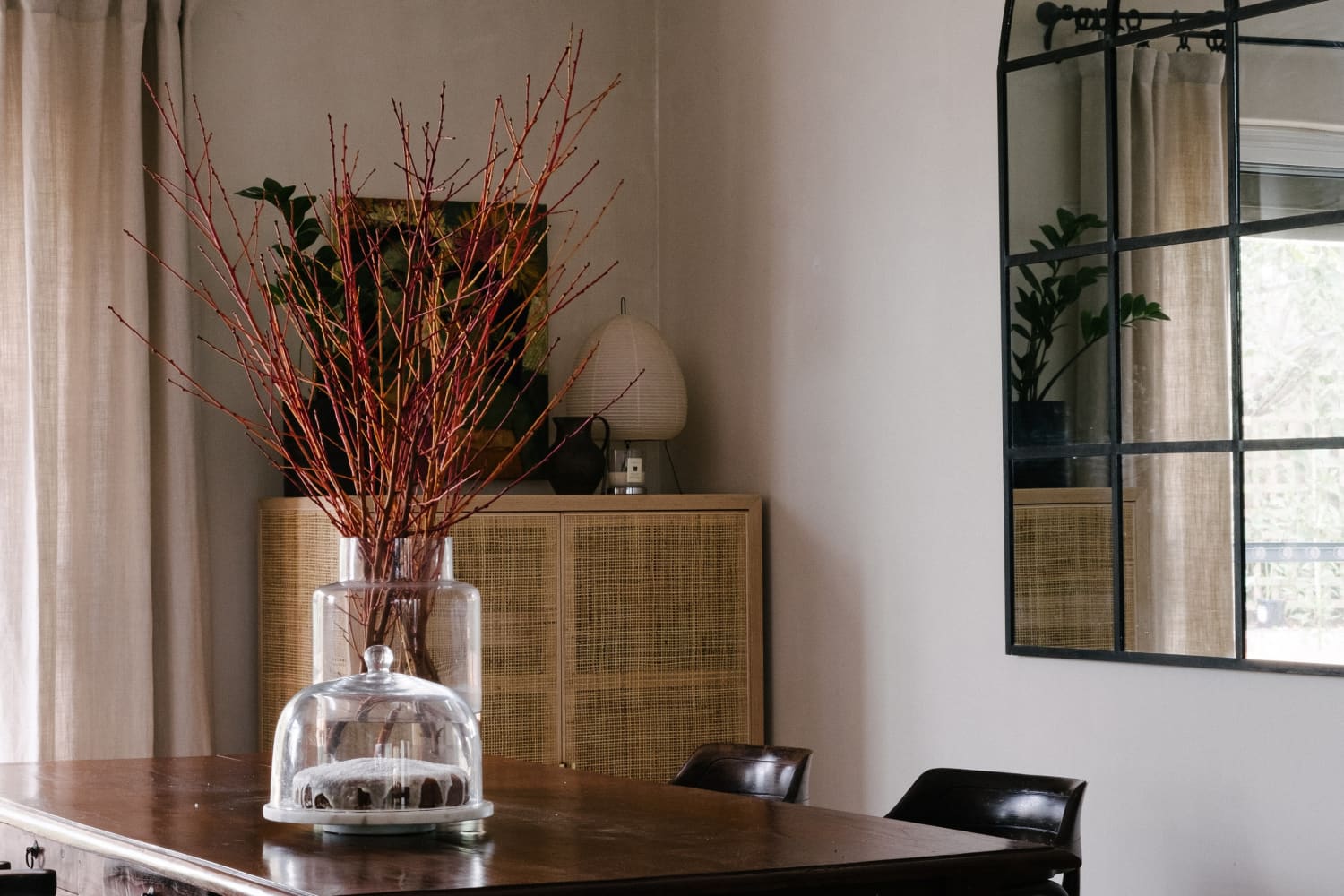
Recently, the triangle shape has become a popular trend in interior and textile design, integrating a wide range of accessories and decorative items. The triangle symbolizes balance and symbolism, adding a new dimension to space design.
In conclusion, shapes and patterns in Scandinavian design evolve and develop just like any other design style. However, the guiding principle of simplicity and cleanliness remains constant and forms the basis for all creations in this style.
Use of Natural and Organic Materials in Scandinavian Design
Scandinavian design minimizes the use of synthetic materials and often incorporates natural and organic materials to reduce environmental impact. This is evident in the use of organic cotton, linen, wool, and leather in many cases. The goal is to preserve the environment and reduce environmental impact. Natural and organic materials are equipped with ecological and environmental qualities, making them healthier for home use.
In the field of textile design, a wide variety of natural and organic materials can be found used by Scandinavian manufacturers. Materials such as organic linen, organic cotton, and natural wool are used to create unique and high-quality textiles.
The combination of natural and organic elements in textile design gives the home or office a natural and calming touch. When combining natural raw materials like wood, cotton, and linen, a feeling of coolness and comfort is created, providing a calm and soothing atmosphere.
In summary, the use of natural and organic materials in Scandinavian design is not only aesthetic but also ecological. The use of these materials ensures quality results and helps preserve our environment and health.
Influence of Nature and Environment on Scandinavian Design
Scandinavian design reflects the peace and tranquility of Scandinavian nature in a distinct way. However, it also cleverly incorporates elements from nature and the environment.
In Scandinavian design, various influences of nature and the environment can be found, such as the use of natural and light colors, organic and natural materials, and a green approach to interior design. Nature also influences the shape of furniture and accessories, which are designed in a simple and clean way with straight and simple lines.
The use of natural and organic materials in Scandinavian design ensures a healthy and clean environment and also helps maintain a better relationship with the environment. Additionally, it designs spaces that encourage calmness and relaxation, providing residents with a sense of security and tranquility.
Scandinavian design places great importance on the choice of materials and textures in textile items
Rachel Cohen – Interior Designer
In conclusion, nature and the environment are an integral part of Scandinavian design, positively and refreshingly influencing it.
How to Create Scandinavian Design in Home Space
Scandinavian design is highly popular today and embodies a principle of simple and clean thinking. When it comes to Scandinavian home design, it is important to emphasize natural materials and neutral colors. To create Scandinavian design in home space, textile elements suitable for this style can be used.
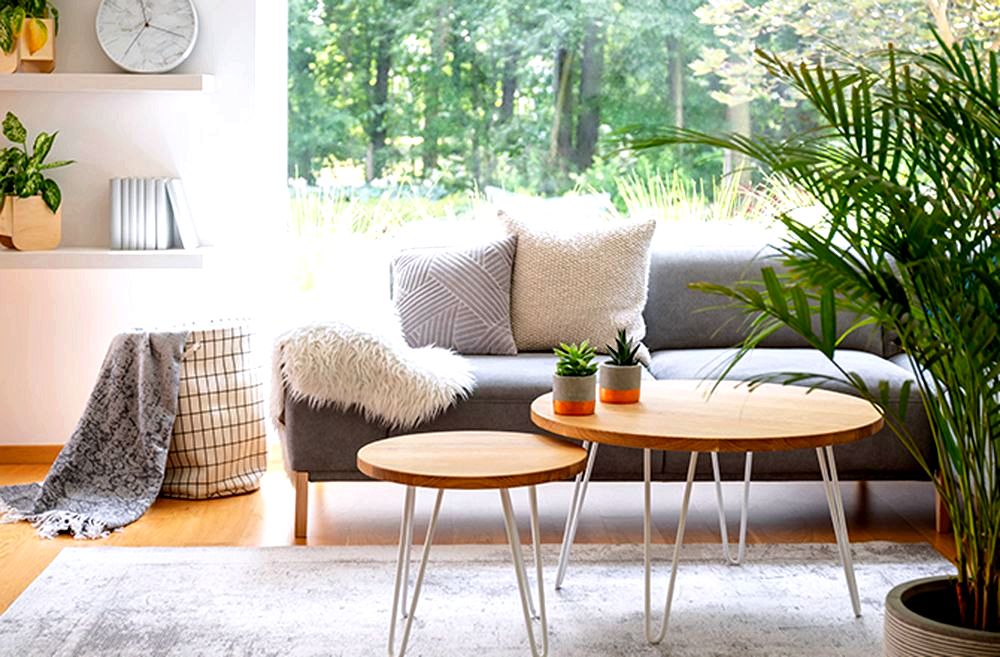
One of the simple ways to create Scandinavian design in home space is to use neutral colors and natural textures. You can choose large, soft cushions in soft shades and sheets made from natural fabrics like linen or thick cotton. Additionally, you can use rugs in neutral and natural colors with delicate and simple textures.
To create a feeling of warmth and coziness in home space, you can add color variations by using pillows and blankets in warm tones like cream, terracotta, and light blue. Moreover, you can use artistic pictures and small sculptures in interior design that contribute to a calm and pleasant atmosphere.

In summary, when looking to create Scandinavian design in home space, it is essential to use textile elements that blend with this style by choosing natural materials, neutral colors, and delicate textures. This way, you can create a calming and pleasant space that upgrades the home atmosphere and contributes to tranquility and comfort in every space.
Tips and Ideas for Creating Scandinavian Design in Clothing and Textiles
1. Use neutral and natural colors for clothing and textiles, such as white, light blue, pale pink, and pastel blue.
2. Prefer soft and natural fabrics like linen, cotton, and thick wool for creating a classic and comfortable look.
3. Emphasize simplicity and cleanliness in design, avoiding strange prints and bold colors.
4. Add textural elements like ribbons, fringes, and zippers to garments for added dimension and interest.
5. Upgrade the design with simple and minimalist accessories, such as delicate bracelets and subtle necklaces.
6. Commit to storage and cleaning regularly to maintain the unique and organized Scandinavian look.
7. Enhance the design by using soft and neutral colors in tools and furniture in space.
Textile items in Scandinavian design reflect the values of simplicity and cleanliness
Lea Goldberg – Textile Designer