



1. Innovations in the Use of Textile Fabrics
In the fields of home decor and fashion, the use of textile fabrics serves as an important tool for creating unique atmospheres and styles. Using textile fabrics in design offers many options for creating a sense of warmth, comfort, and special aesthetics.
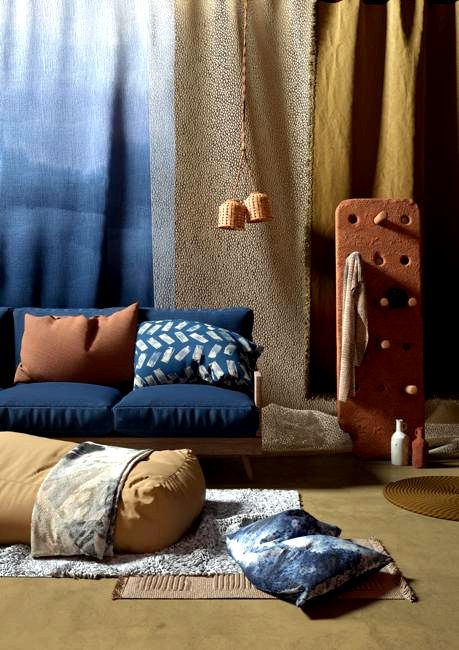
Innovations in using textile fabrics blend perfectly in interior design and daily accessories, providing a modern and trendy look. Using textile fabrics in design allows bringing a fresh breeze to spaces and creating unique effects and feelings through colors, unique ideas, and stunning textures.
With textile fabrics, unique figures and shapes can be created, conveying character and style, and providing spaces with a feeling of warmth and comfort. Additionally, using textile fabrics allows conveying messages and emotions through prints, sewing, and unique designs.
In conclusion, using textile fabrics in design is an intriguing design tool that enables creating different styles and atmospheres in a wide range of areas.

2. Ways to Combine Different Fabrics in Home Design
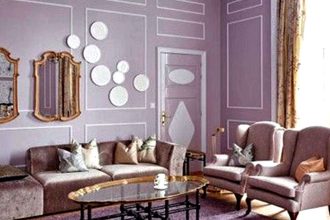
Colorful Walls – Fabrics in various colors can add an extra level of depth and interest to the home space. Combining colorful pillows with modern rugs in different styles can create a unique and refreshing atmosphere.
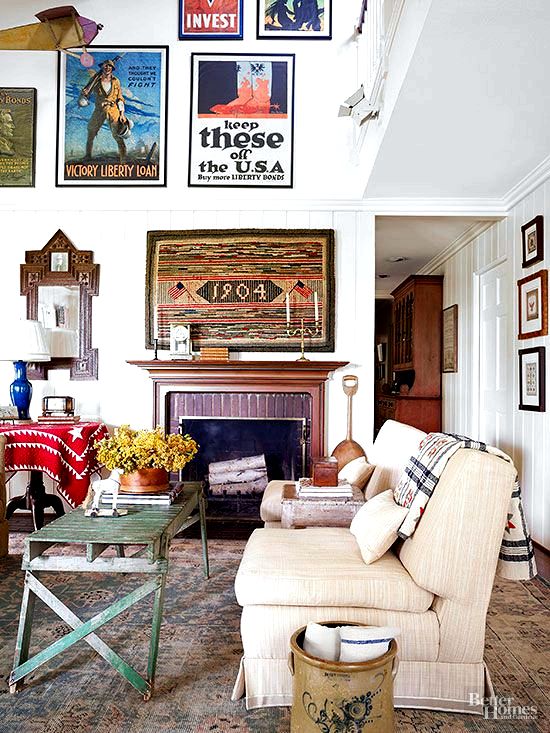
Bags and Bed Covers – Combining different fabrics in pillowcases or bed covers can add an additional level of texture and color to the sleeping space. Combining soft cotton fabrics with cool fleece fabrics can create an airy and pleasant look.
Textile items are the cornerstone of any successful design
Abigail Ariel – Interior Designer
Tables and Supports – Using different fabrics on tables or creative supports can add personality and style to the living space. Combining printed fabrics and colorful fabrics with neutral furniture can create a sense of uniqueness and warmth.
3. Advanced Sewing Techniques for Textile Design
In the modern design world, there are several advanced sewing techniques that can be used for textile design. One of them is combining the smocking technique with the shirring technique, allowing for complex and interesting patterns on the fabric. The advanced pleating technique can also be used to create a stylized and modern look for textile garments. Another advanced technique is combining hand embroidery with digital printing, allowing for the creation of unique and personalized textile items. Modern embroidery techniques can also be used to create interesting patterns and lines on textile fabrics. By using advanced sewing techniques, creative and stunning works can be created that can add a modern and unique look to any textile item.
4. Ideas for Creating Modern Furniture with Textile Use
Combining textiles with modern furniture can create a unique and refreshing design feel in any space. Modern furniture that combines main furniture items and textile accessories can give a contemporary and updated look to any space in the home. To achieve successful results, it is advisable to pay attention to several ideas and tips:
1. Choosing Colors: Use textiles in neutral tones and minimalist styles to create a clean and modern look.
2. Pattern Mixing: Use pillows, rugs, or blankets with interesting and colorful patterns to add a youthful and refreshing atmosphere to the space.
3. Texture Usage: Use textiles with different textures such as linen, silk, or wool to create an interesting and impressive look.
4. Functional Design: Choose textile furniture that combines modern design with comfort and functionality, such as padded chairs and sofas.
5. Creating Atmosphere: Use textiles as a color injection or as design items that will make the space exciting and interesting.
In conclusion, remember that textiles are an important design tool and can convey the style and atmosphere you want to create in a space. Choosing suitable textiles and investing in textile design can turn any space into a modern and updated look.
5. The Influence of Recent Design Trends on Textile Use
The use of textiles in design is an intriguing field that evolves and changes with each new year. Each year brings new trends and fresh ideas that influence the use of textiles in the design field. In this article, we will examine the influence of recent design trends on textile use and how these trends can be applied in home and fashion design.
One of the key trends in design today is the use of soft and neutral colors. Textiles in shades like white, gray, and beige lend a sense of calm to a space and can easily be combined with furniture and accessories in richer colors. Additionally, neutral-colored textiles allow for creating a feeling of cleanliness and order in a space.
Another important trend is the use of graphic and modern textiles. Textiles with geometric designs, sharp lines, and unique prints give a space a contemporary and modern look.
Another significant trend is the use of branded textiles. Textiles with symbols, writings, or unique patterns add an extra level of personality and uniqueness to a space.
Ultimately, recent design trends provide us with new and fascinating tools for using textiles in design. Every designer should use these ideas and apply them in their creations to create unique and personalized spaces.
6. Tips for Proper Storage and Care of Textile Fabrics
1. Store fabrics in a dry and cool place to prevent mold growth and color damage.
Using textiles in design can provide a modern and elegant look
Nathan Cohen – Interior Designer
2. Prevent tears and fabric damage by placing nylon paper between fabrics.
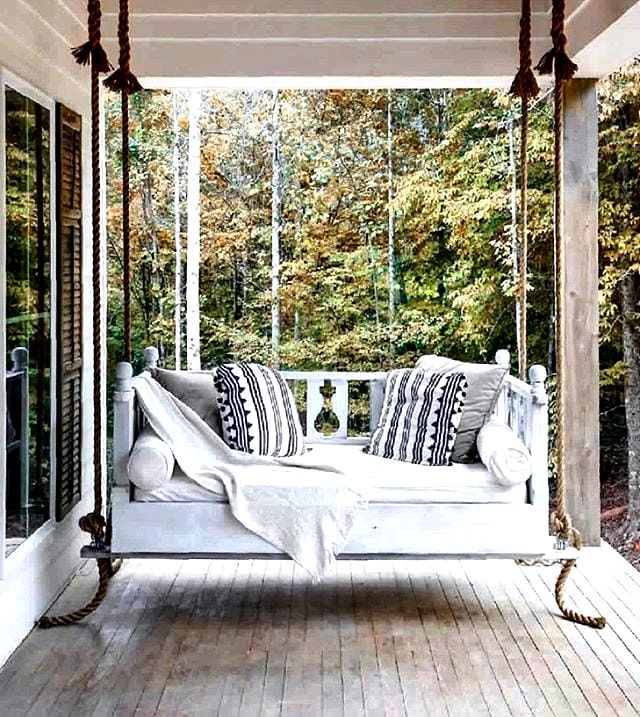
3. Wash fabrics with cold water to preserve their texture.
4. Fabrics can be laundered in a regular washing machine, but it is preferable to use cold water and gentle detergents.
5. When drying fabrics in a dryer, use a low temperature and do not exceed it.
6. Iron fabrics on both sides at a moderate temperature and avoid direct contact with the texture.
7. Use a color-safe bleach to maintain the fabric colors and prevent stains and damage.
8. Keep the soaps and various materials used for fabric care clean.
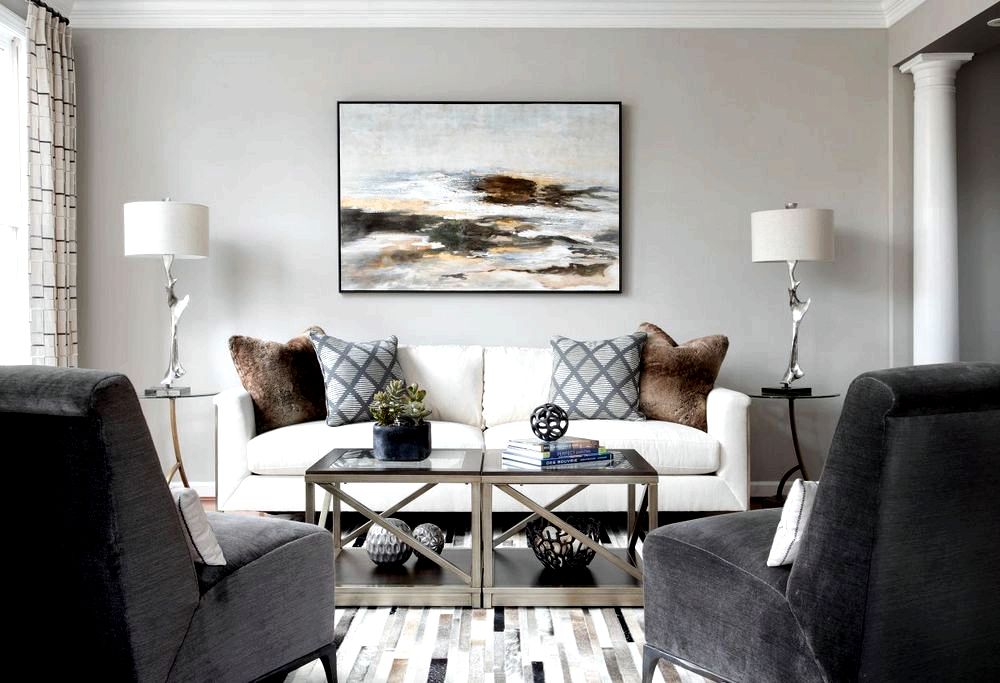
9. Use dry cleaning for light stains and avoid using hot water.
10. When not in use, store fabrics in a closed cabinet and avoid direct sunlight exposure.
The right choice of textiles can turn a regular space into impressive and unique
Shira Levi – Interior Designer
7. Sources of Inspiration and Websites for Design Ideas with Textiles
If you are looking for inspiration and new ideas for design with textiles, you should check out the following sources:
1. Pinterest – One of the most popular sites for searching for home design and interior design ideas. You can find countless images of unique ideas for using textiles in the home.
2. Instagram – This social network offers many profiles of designers who share their work. It is advisable to view them for inspiration in textile design.
3. Blogs and Design Websites – There are several blogs and design websites focusing on the use of textiles and ideas for home design. Browse through them to find fascinating ideas.
4. Etsy Website – On this site, you can find a wide variety of products made from textiles, such as costumes, pillows, blankets, and more. Discover unique and special designs.
5. Facebook Groups – There are popular social media groups dedicated to home design that share ideas and tips. Join them and share your ideas.
Remember that inspiration can come from anywhere – colors, shapes, patterns, and various designs can be a great source of inspiration for designing with textiles. Come on, check, and use the best ideas you can find!