



1. Popular Colors for Textile Design
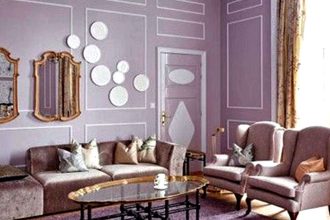
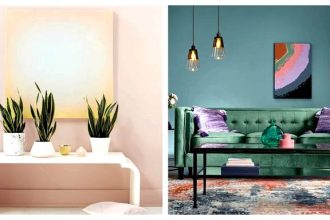
In the field of textile design, there are colors that always lead the trends. One of them is white, a neutral and classic color that suits all types of designs. It is common to combine it with pastel colors like pink, blue, and yellow to create a modern and romantic look.
The right textile choice can lead to a revolutionary change in home design
Shira Levi – Interior Designer
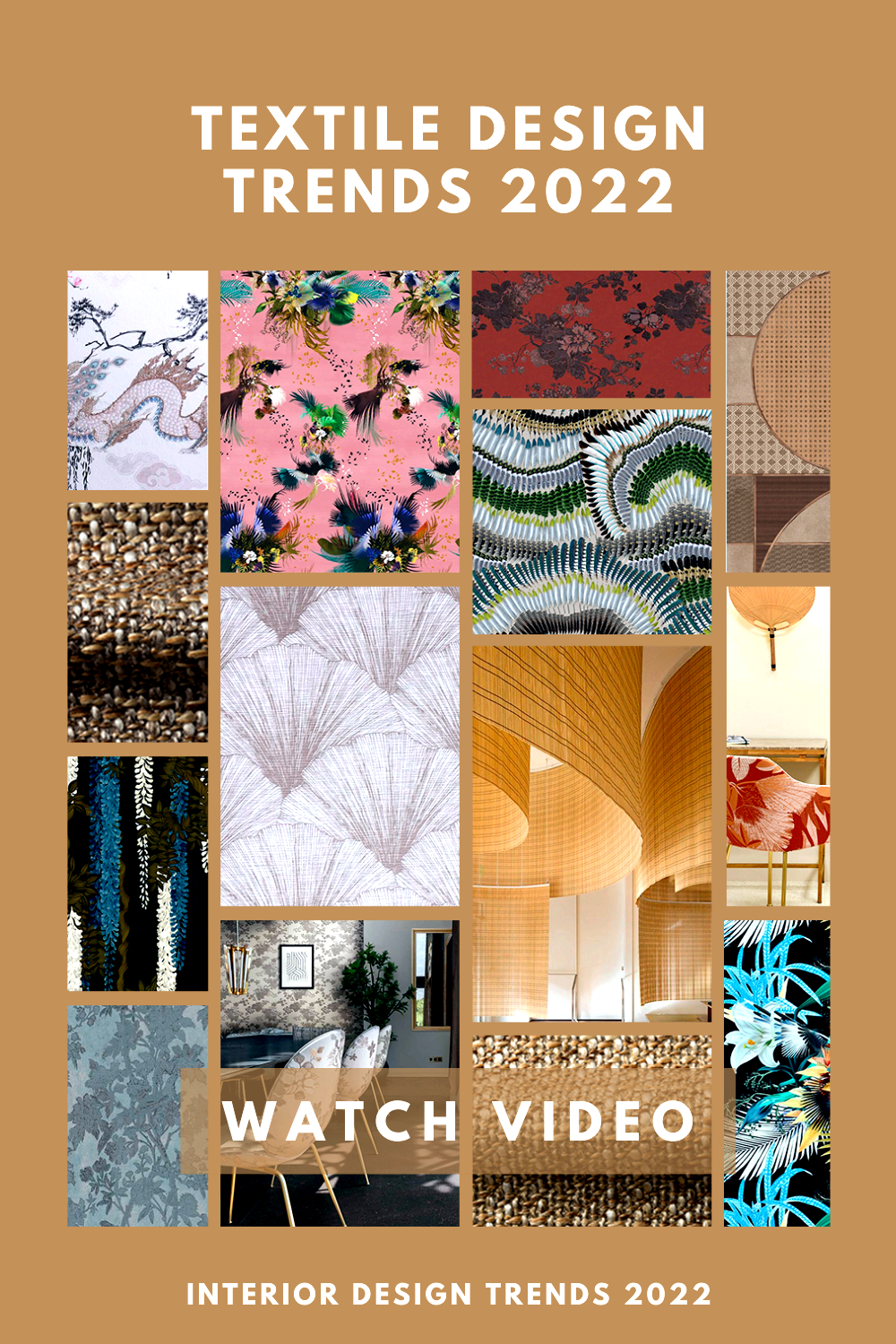
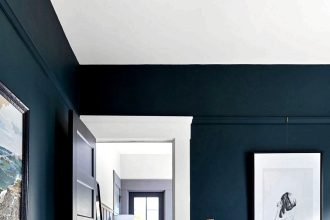
Blue is also considered a popular trend in design using textiles. Shades of navy, deep blue, or royal blue add calmness and a systematic atmosphere to spaces and look amazing when combined with charcoal or gray colors.
Terracotta and cream colors also exist in every modern textile design. These tones provide a warm and elegant look, appearing stunning when combined with orange or crimson colors.
Textiles are an important tool in the designer’s hand to create a unique style
Daniel Cohen – Interior Designer
2. Textures and Prints Leading in Design Today
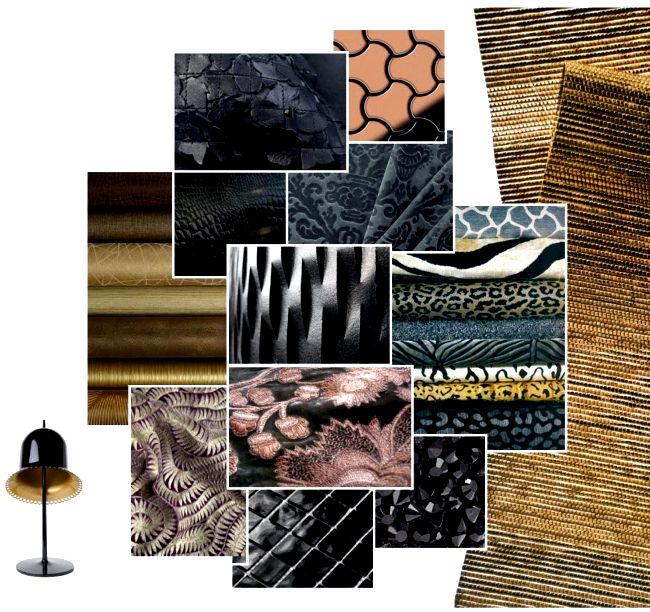
The use of textures and prints in interior and home design has become one of the leading trends in the field. Design using textiles allows for the creation of a unique and interesting atmosphere in various spaces. Whether for young or older individuals, textures and prints help create personal and modern designs.
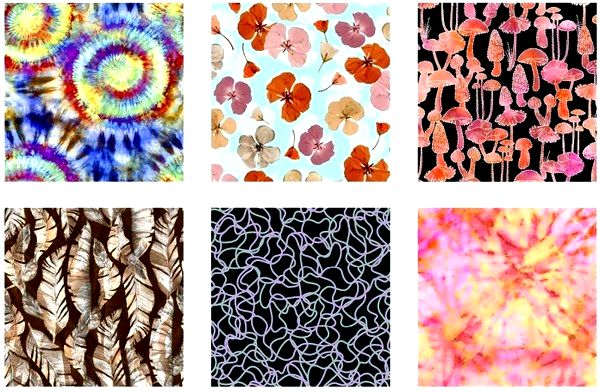
Using fabrics in home design can convey a warm and pleasant atmosphere or create a sense of coolness and tranquility in a space. Textures like silk, wool, and cotton add dimension and make the space feel both more luxurious and modern.
In addition, using prints on fabrics allows customization of design to match the style and personal preferences of the designer. Geometric, floral prints on colorful backgrounds or in black and white offer a wide range of options for unique and stunning designs.
In conclusion, textures and prints are important design tools that allow for the creation of unique and impressive spaces. Combined with suitable furniture and accessories, they can add sophistication and style to any space they appear in.

Using a variety of textiles can create a modern and refined look
Shiri Avraham – Interior Designer
3. Combination of Materials and Textiles in Furniture Design
In the modern era, furniture design combines various materials and textiles extensively to create modern and unique furniture pieces. This combination allows for aesthetic and functional design, creating a perfect user experience for consumers.
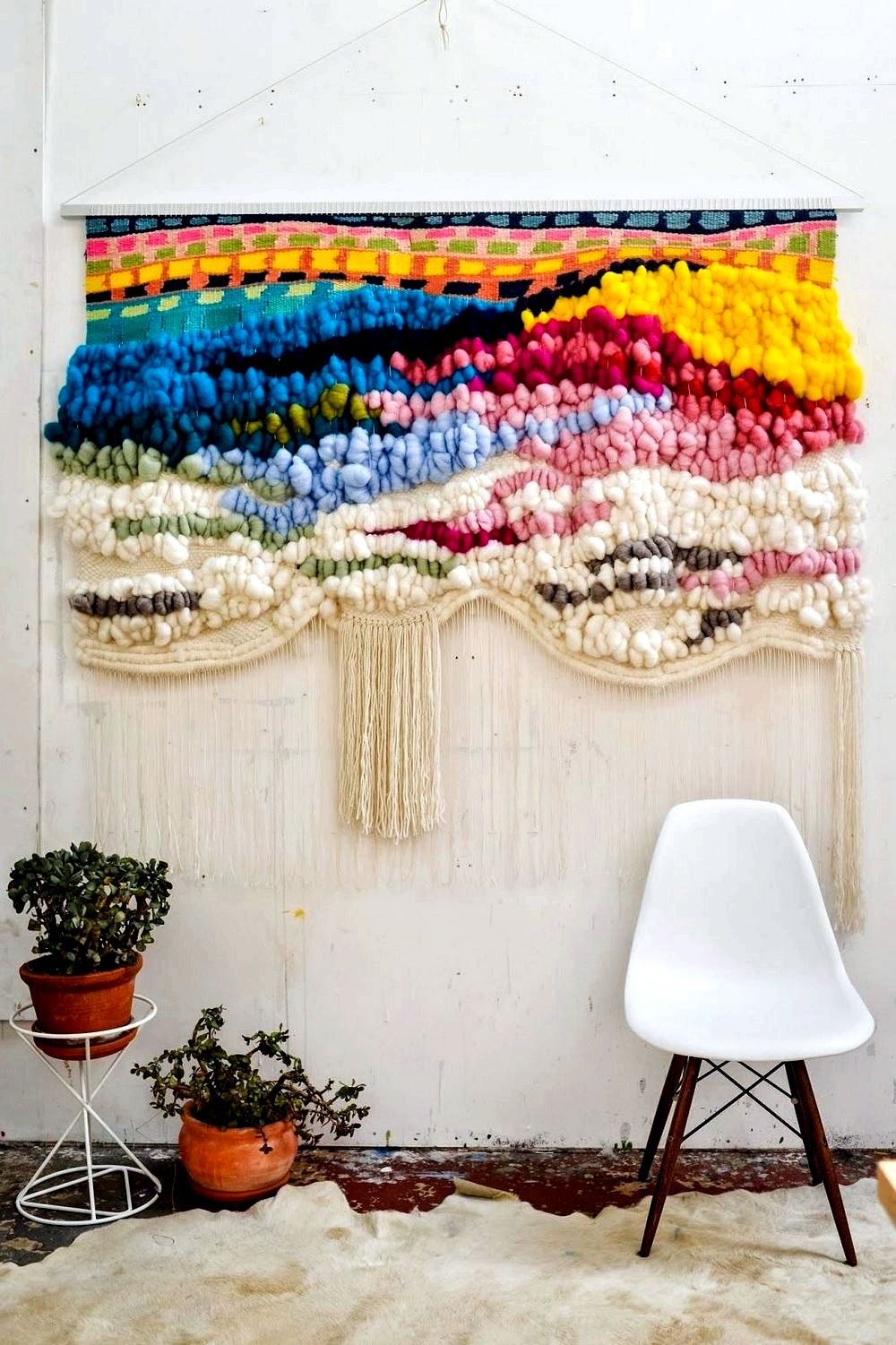
Using textiles in furniture design allows for the creation of soft, comfortable pieces that add warmth and comfort to the space. Furniture combining wood, metal, glass, and fabrics from different collections creates an updated and modern look.
When combining different materials and textiles in furniture design, it is important to match the texture, colors, and sizes appropriately to the overall design style of the space. This way, perfection in design can be achieved, creating a warm and modern atmosphere in the space.
In conclusion, combining different materials and textiles in furniture design allows for the creation of designed and unique furniture pieces that combine aesthetics and functionality. Each furniture piece is a work of art in itself, adding character and style to the space it occupies.
4. How to Use Textiles in an Original Way in Interior Design
Using textiles in home design can be an excellent way to create a warm and interesting atmosphere in a space. When it comes to using textiles, you can play with colors, patterns, and different structures to create a sense of care and comfort. Here’s how you can use textiles in an original way in interior design:
1. Furniture: Choosing furniture adorned with textiles can convey an atmosphere of warmth and coziness in a space. You can choose sofas, cushions, or rugs with colorful patterns or interesting designs to add a speaker in design.
2. Walls: Using textiles as a wall tapestry or sticker can be an interesting way to add color and character to a space. You can choose wall coverings or a large image to create an impressive and modern look.
3. Lighting: Using textile shades to create interesting shadows and a soft atmosphere in a space. You can use fabric pendant lights or a lamp decorated with textiles to create a bright and interesting effect.
4. Accessories: Completing the design with textile accessories can convey a personal and special touch to the space. You can choose pillows, blankets, or beddings in matching colors to complement the look.
In conclusion, using textiles in interior design is an excellent way to create a pleasant, warm, and designed space. By using textiles in an original way, you can add personality and style to the space and create a cozy and unique home feeling.
5. What Are the Suitable Textiles for Designing with Textiles
When talking about design with the use of textiles, it is important to choose materials suitable for the desired design. One of the leading textiles in the field of interior design is cotton fabric. Cotton fabric is a popular choice due to its many advantages – it is soft to the touch, breathable, and easy to clean. Additionally, cotton fabrics come in a variety of colors and prints, making it ideal for use in interior design.
Another interesting option is the use of fleece fabrics. This fabric is excellent for modern and youthful design and comes in a wide range of colors and textures. Fleece fabrics are especially suitable for designing children’s and teenage rooms, adding color and a youthful atmosphere to the space.
When planning design with the use of textiles, it is also worth considering the use of satin fabrics. Satin fabric gives a luxurious and sophisticated look to the space and is perfect for use in luxurious and designed spaces. Additionally, satin fabric is considered easy to clean and suitable for daily use.
Designing with the use of textiles is a great way to create a unique and designed space. Choosing the right textiles will enhance the overall look of the space and provide it with a special and impressive atmosphere. Choosing the right fabric will add depth and character to the design, giving the space a rich and attractive look.
6. Future Trends in Design Using Textiles
Design using textiles is evolving and advancing in leaps and bounds, bringing new and fascinating trends each year. Below are some of the future trends emerging and developing in the world of design using textiles:
1. Ecological Design – with a spreading green and environmental approach in the world, this trend is advancing and improving. Designs that incorporate organic and environmentally friendly materials are expected to become more popular.
2. Digital Design – with continuous technological advancements, there is more room for digital designs in the textile world. Sustained patterns, modern graphics, and the use of innovative techniques can be part of the future trend in the field.
3. Folklore Design – the combination of traditional and folklore designs with contemporary and modern design is an intriguing and evolving trend. Using old patterns, hand embroideries, and rich colors give the design a special touch.
4. Geometric Design – geometric shapes and clean lines are spreading in designs in the textile world. These designs provide a modern and clean look for homes and products.
5. Retro Design – the combination of designs from past decades with modern design is a popular and fascinating trend. Old prints and colors combined with modern designs create a unique and refreshing look.
6. Pop Art Design – designs that combine pop art and contemporary design create a sense of creativity and courage. Using colorful and stunning prints gives the design a modern and special look.
By understanding the future trends in design using textiles, you can implement them in innovative and fascinating ways to create modern and stunning designs.