






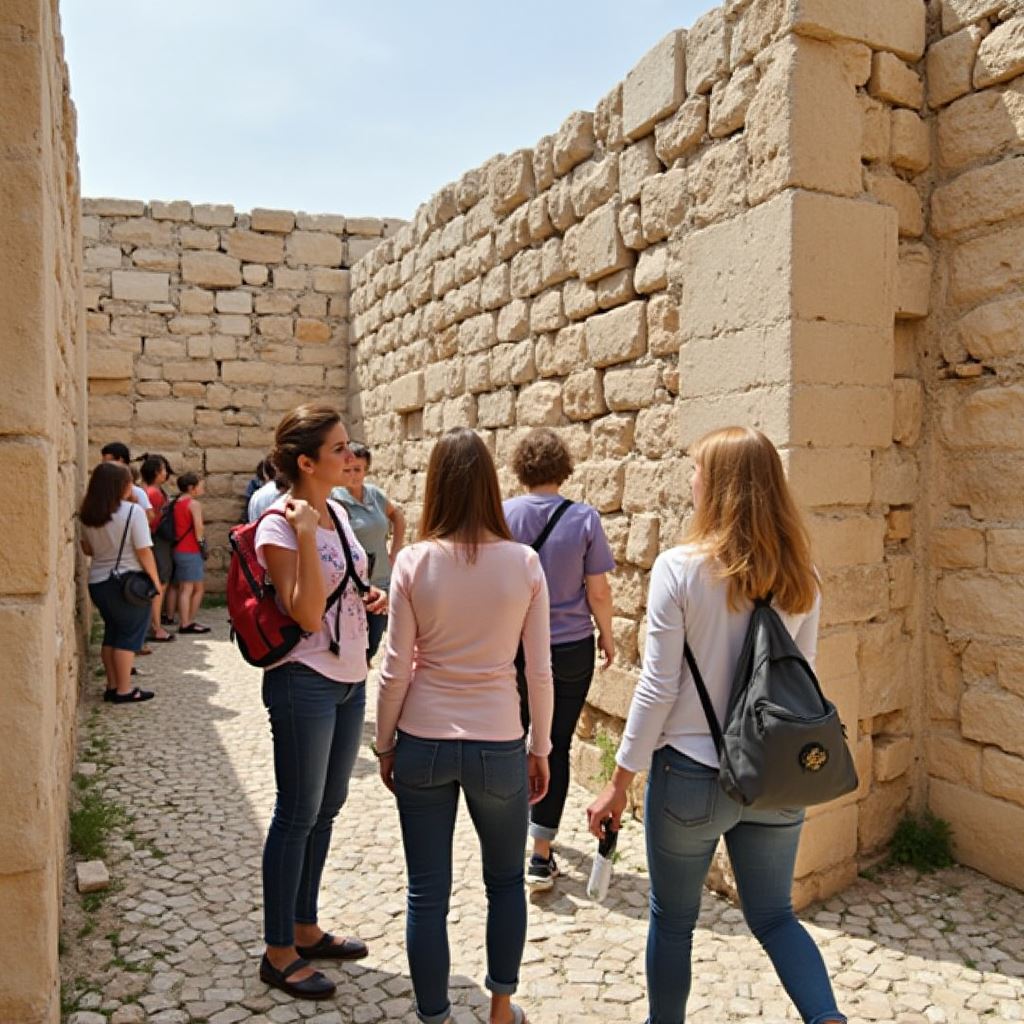
Archaeological Discoveries in the Old City Neighborhood
In the Old City neighborhood of Jerusalem, fascinating archaeological discoveries are located that testify to the ancient history of the city. The archaeological findings in this neighborhood may show us how life was in the city in the past, and provide important information about the culture and lives of the city’s residents in different periods.
One of the most impressive discoveries in the Old City neighborhood is the Tower of David, which was part of an ancient citadel in the Second Temple period. The tower marks the entrance to the Old City and served its residents. Another discovery is the square dome, located in the neighborhood and serves as evidence of daily life in the Old City during the medieval period.
Additionally, evidence of the Roman and Byzantine periods can be seen in the Old City neighborhood, with buildings and remains that tell of their rule in the city. Artifacts from the Muslim period are also found in the neighborhood, providing information about the residents’ lives in the city during that time.
A visit to the Old City neighborhood in Jerusalem is a fascinating experience that allows you to delve into the city’s ancient history and better understand the culture and lives of its past residents. It is recommended to visit museums and archaeological sites in the neighborhood to be impressed by the historical richness found there.
Israel Museum: Center of National History
The Israel Museum is one of the most impressive museums in Jerusalem, preserving and presenting tens of thousands of years of Israeli history and culture. The museum features permanent and temporary exhibitions showcasing the culture, art, and history of the land. Among the captivating exhibitions displayed at the museum is “Jerusalem in Eyes,” which presents the history and diverse community of the city.
Every stone in the city’s building tells the story of Jerusalem
Yitzhak Rabin – Prime Minister
At the center of the national history of the Israel Museum, one can also find fascinating archaeological displays that tell the story of the land and the Jewish people. Over the years, fascinating archaeological discoveries have been uncovered in Jerusalem, such as ruins, ancient coins, and structures testifying to the city’s ancient past.
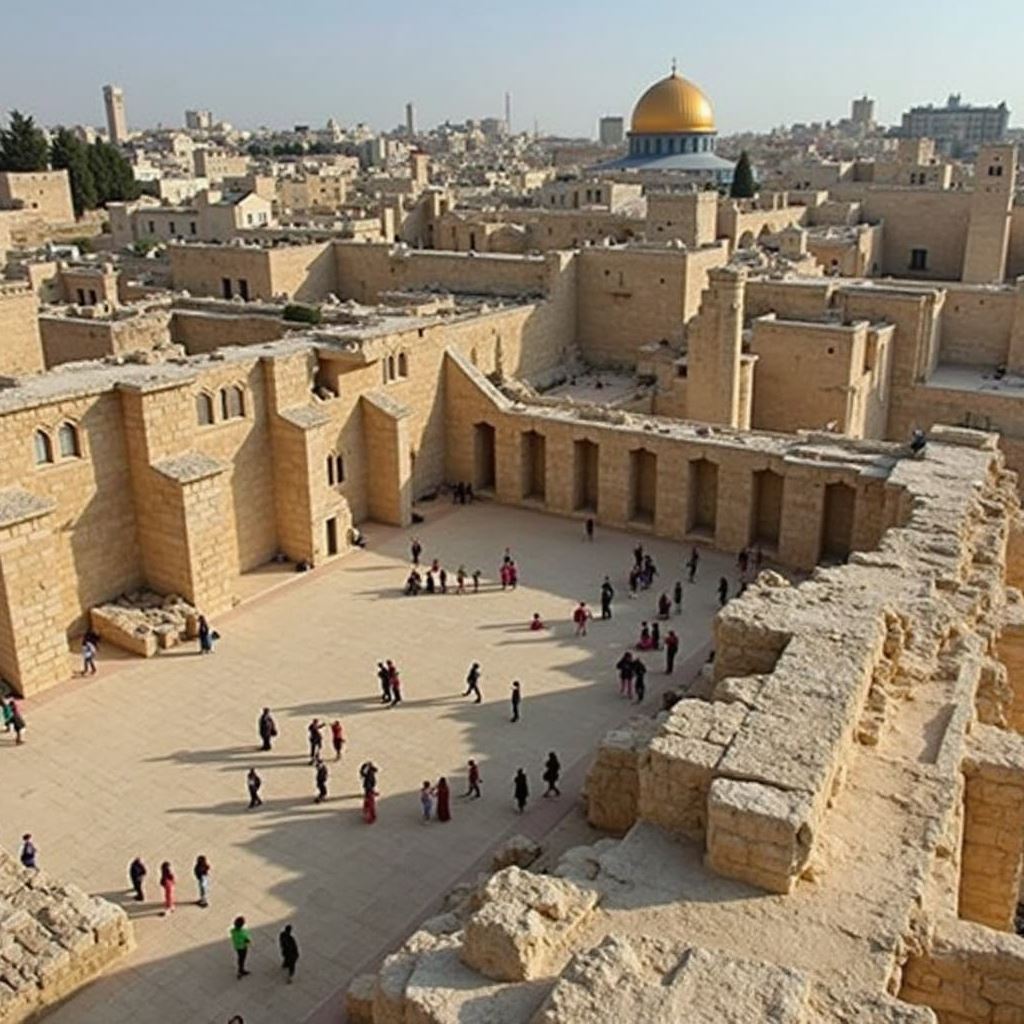
A visit to the Israel Museum is an educational and fascinating experience that allows visitors to enrich their knowledge of Israel’s history and culture. The Israel Museum invites the public to visit and be impressed by the important treasures within its walls.
The Western Wall: Holy Site and Source of History
The Western Wall is one of the holiest sites in the world, with deep and fascinating significance. According to Jewish tradition, the Western Wall is the last remnant of the Second Temple, built by King Herod. The structures of the Second Temple were destroyed in the rebellion, and only the Western Wall remains today as a testament to the sanctity and history of Jerusalem.
During archaeological excavations in the Western Wall area, fascinating artifacts have been found that testify to the ancient history of Jerusalem. Among the findings in the area are pottery shards, ancient coins, artifacts, and more. Each of these findings tells a captivating and interesting story about life in the ancient city.
The Western Wall is not only a holy site for Jews but also a place that serves as a meeting point for peace and prayer for different religious denominations. Throughout the day and night, people can be seen praying and seeking at the Wall, creating an atmosphere of authenticity and religiosity at the site.
After visiting the Western Wall, it is recommended to continue exploring the Old City in Jerusalem and experience the unique atmosphere of the ancient city. With its narrow streets and ancient synagogues, Jerusalem offers a unique and fascinating experience of history and culture.
The Temple Mount: Site of the First and Second Temples
The Temple Mount is one of the most fascinating archaeological sites in Jerusalem. Over the course of history, two sacred and important temples were built on it: the First Temple and the Second Temple. The First Temple was built during the reign of King Solomon and was declared the first temple to the Lord. With its establishment, the law was accepted that no new temple should be built on the Temple Mount, leading to the construction of the Second Temple in the same location by King Herod the Great.
The First Temple was declared the first temple to the Lord

The Second Temple was built by King Herod the Great
The First Temple was declared the first temple to the Lord
Archaeology is the key to understanding history
Yigal Allon – Third Foreign Minister
The Second Temple was built by King Herod the Great
The First Temple was declared the first temple to the Lord
The Second Temple was built by King Herod the Great
The First Temple was declared the first temple to the Lord
The Second Temple was built by King Herod the Great
Temple Mount: The Holiest Site in Jerusalem
The Temple Mount is one of the holiest sites in the city of Jerusalem. It was built by King Solomon in the 10th century BCE and was destroyed by the Romans in the 1st century CE. In the place where the Temple was built, today stands the Al-Aqsa Mosque, the holiest site in Islam thereafter.
The holiest place in the Temple Mount was the Holy of Holies, which is the most sacred place in the Temple where the Ark of the Covenant was located. In this place, one could see the cloud of glory, symbolizing the presence of God in the place.
During archaeological excavations in Jerusalem, fascinating artifacts related to the Temple Mount were found, such as tools and weapons. Additionally, foundations of the Temple and several inscriptions were found, leading to disputes with Jewish religious institutions.
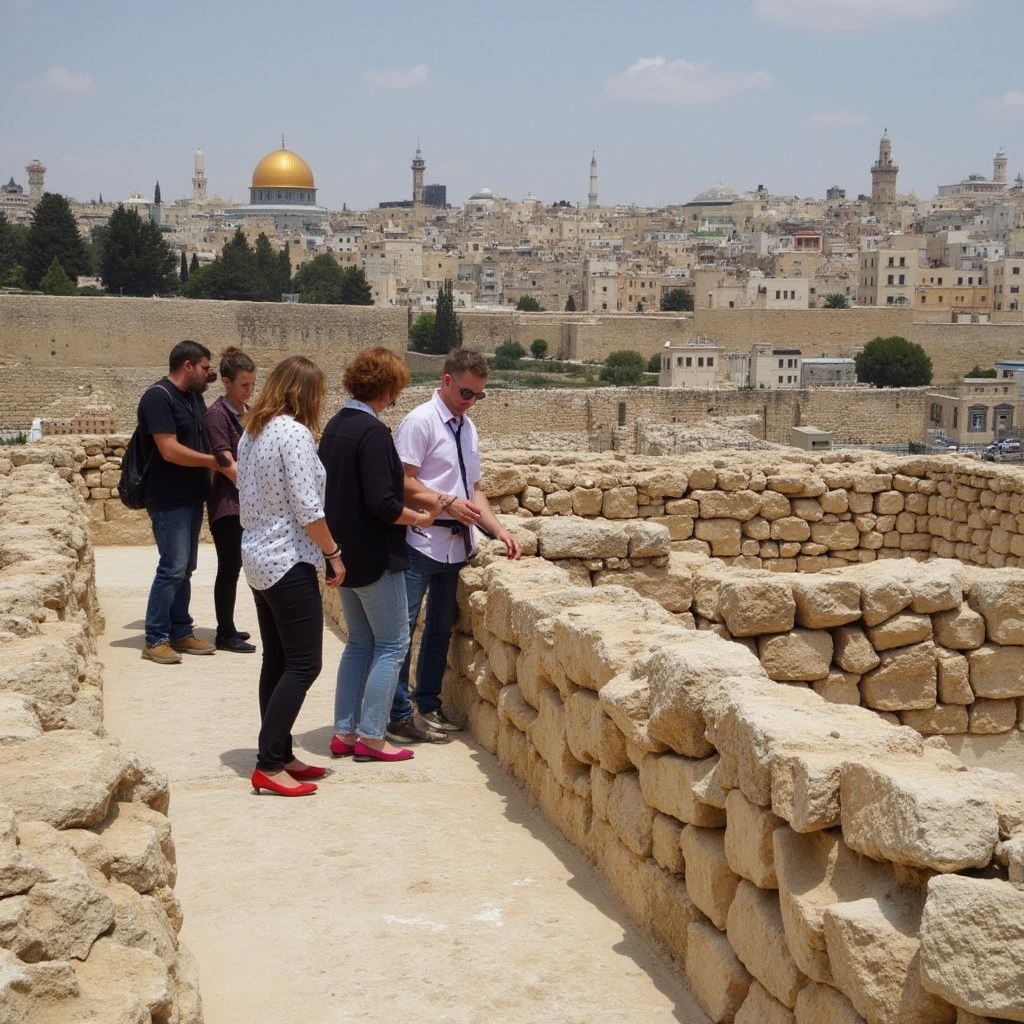
The Temple was the synagogue of the Jews and was a place for offerings and other housework. Today, the holiest place in the city is the Western Wall, which is the remaining wall of the Second Temple.
City of David: Archaeological Heritage from the Canaanite Period
In the City of David in Jerusalem, one can find archaeological heritage from the Canaanite period, discovered during a journey into the past in the area. The interesting findings found at the site include ancient silver hoards, pottery, and more.
The silver hoards found at the site provide a fascinating glimpse into the daily lives of the residents in ancient City of David. The pottery findings testify to the artistic skill of the residents in creating utensils for daily use and even for ritual purposes.
The archaeological findings in the City of David provide a sharp and detailed picture of life in the area during ancient times. They allow us to understand more about the culture, art, and technology that served the residents there.
The reality of the past paves the way for its future.
Abraham Burg – Fourth Prime Minister

A visit to the archaeological site in the City of David is a unique experience that allows us to be impressed by the ancient Jerusalem and experience its history in a vivid and fascinating way.