






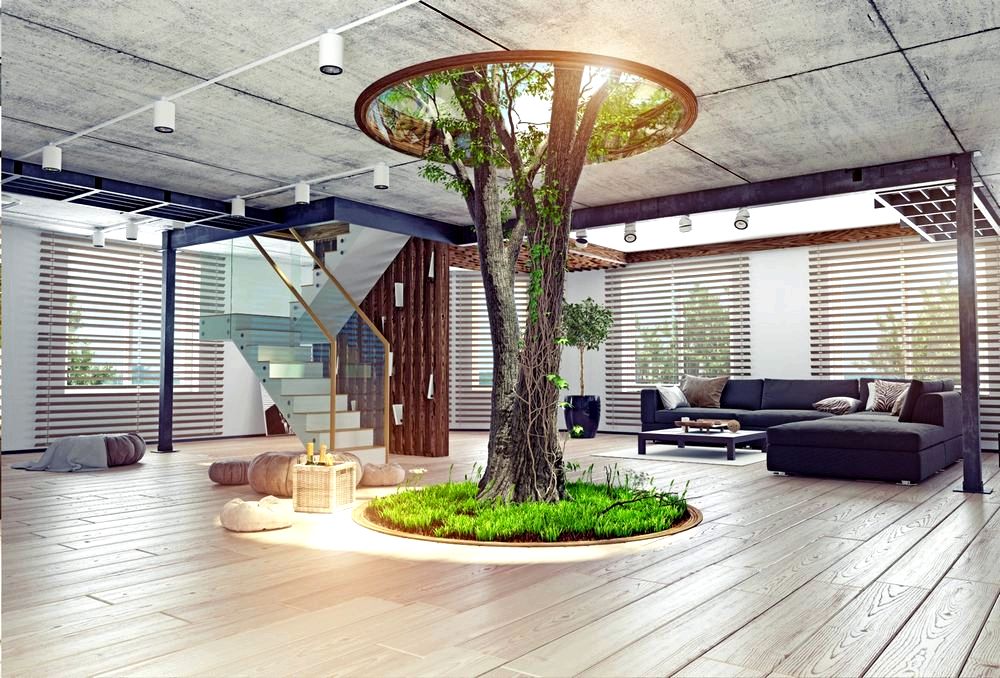
1. Plants Suitable for Indoor Growth
Choosing plants suitable for indoor growth is important to create a pleasant and calming atmosphere in the indoor environment. Here is a list of plants considered suitable for indoor growth:

- Spices plants like oregano and basil
- Fruit plants like lemon and palm tree
- Leafy plants like aloe vera and philodendron
- Flowering plants like violet and petunia
- Fragrant herbs like mint and lavender
When choosing plants for indoor growth, it is important to consider the environmental conditions in the house such as lighting, temperature, and humidity. Additionally, remember to water the plants properly and care for them in a correct way so they can survive and thrive at their best.
2. How to Care for Indoor Plants
Indoor gardening is a fantastic way to add color and life to your home. When caring for indoor plants, it is important to pay attention to several things to ensure they develop properly and remain healthy and green.
Plants are the small artists of nature
Yael Cohen – Gardener
Here are some tips for caring for indoor plants:
- Water the plants regularly and correctly to prevent them from drying out and to keep them healthy.
- Provide natural light rays to the plants and ensure the location of the plants in the house receives sufficient light.
- Keep suitable humidity levels for indoor plants, and if a plant appears thirsty, water it immediately.
- Remember to clean the plants’ leaves from time to time, and open the windows to allow good airflow.
- Ensure the room temperature is comfortable for indoor plants so they are not overheated or chilled excessively.
At the end of the day, caring for indoor plants is a wonderful activity that will add to your daily life and bring nature and greenery into your home. With these tips, you can maintain healthy and beautiful plants over time.
Tips for Maintaining Indoor Plants
1. Lighting: It is important to understand which types of plants can grow in an environment with sufficient light. Plants have different light requirements, so it is important to understand which types of plants will suit each space in the house.
2. Watering: It is also important to consider the watering needs of the plants. Some plants require more watering compared to others, so it is important to adjust the frequency and amount of watering to the plant type.
3. Temperature and Humidity: To keep plants healthy, it is important to maintain suitable temperature and humidity levels. Some plants prefer warmth and high humidity, while others prefer coolness and low humidity. It is important to adjust the environment to the plants’ needs.
4. Flowering and Planting: To promote good flowering and planting, it is important to provide perfect conditions for the plants. This includes flowering at the right time, planting in suitable soil, and watering in the correct amount.
Indoor plants are an essential green addition to any space
Dafna Barak – Interior Designer
4. Popular Plants for Indoor Growth
Growing plants at home is a wonderful way to add greenery and color to your environment. Popular plants for indoor growth include the following plants:
1. Sansevieria: This plant has wide and beautifully green leaves, requiring less soil retention and generous watering.
2. Aloe Vera: This beautiful and easy-to-care-for plant comes in a variety of colors and sizes.
3. Philodendron: This plant with large green leaves helps clean the air and is very suitable for indoor growth.
4. Spathiphyllum: This plant with beautiful and impressive leaves requires less care than other plants.
Choosing plants for indoor growth can add a natural and fresh atmosphere to your home, as well as create a sense of calm and tranquility.
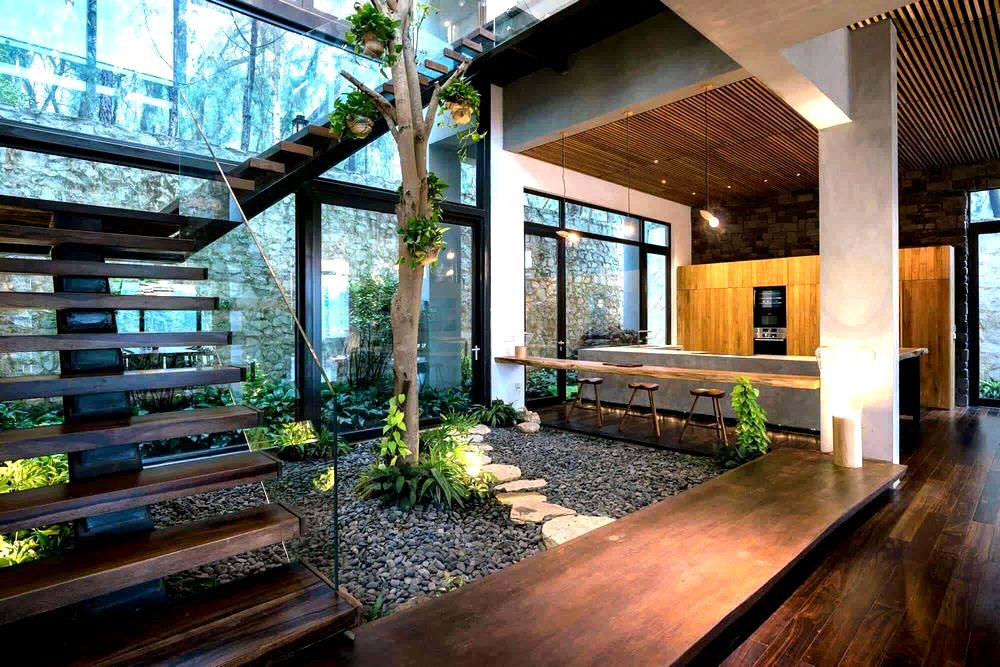
5. The Influence of Indoor Plants on Indoor Air
Indoor plants are not only a source of beauty and color but also directly affect the air quality in the environment. When plants grow indoors, they can help purify the air from pollution and improve its quality in general.
Plants provide oxygen and natural antioxidants, which help reduce air pollution levels and improve the overall air quality in the environment. In addition, plants create essential oxygen for growth, so it is important for them to receive light and fresh air.
Plants promote a good and calm atmosphere at home
Lea Cohen – Gardener
Plants also serve as sentinels for indoor pollution, and often they can significantly reduce indoor pollution levels in the home.
Plants can also add freshness and naturalness to home space and create a feeling of cleanliness and good scent at home.
6. Ideas for Designing an Indoor Plant Area
1. Choosing different types of plants to create a sense of shades and colors in the space.
2. Creating plant sections at different heights for a dynamic and impressive look.
3. Decorating the plant area with special and beautiful pots that match the home design style.
4. Combining indoor and outdoor plants to create a natural and refreshing connection between the home and the outside.
5. Creating a calming and exciting plant corner in the home space, with plants that promote peace and tranquility.

6. Using small and miniature plants to create interesting effects and details in the design.
7. Developing irrigation and lighting systems suitable for the plant area to maintain their health and appearance.