



1. Green Interior Design
Green interior design is an ecological and environmental approach that seeks to preserve the living environment by using natural and environmentally friendly materials. Green interior design promotes the use of recycled materials, less toxic and maintains air quality in the indoor space.
In green interior design, plants and trees can be used to create a natural and fresh atmosphere in the space. Additionally, large windows can be opened and natural light can be used to save on electricity for lighting.
Green interior design also promotes the use of recycled and updated furniture and accessories, thus reducing waste and offering green solutions for home design. Furthermore, air quality in the space can be improved by using natural colors and herbal scents.
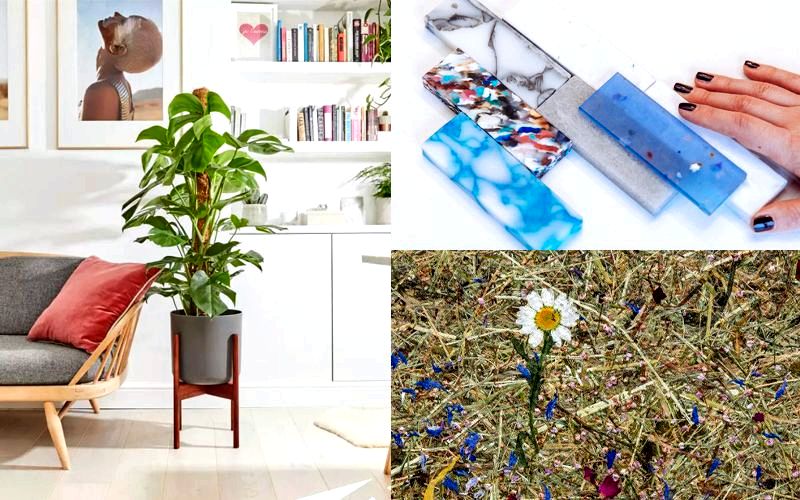
Using recycled materials can be creative and beautiful
David Cohen – Industrial Designer
In conclusion, green interior design is an advanced and smart approach that combines aesthetics with environmental and ecological responsibility. By creating green and healthy spaces, we can enjoy a more pleasant environment and contribute to preserving the Earth for future generations.
Recycled Materials
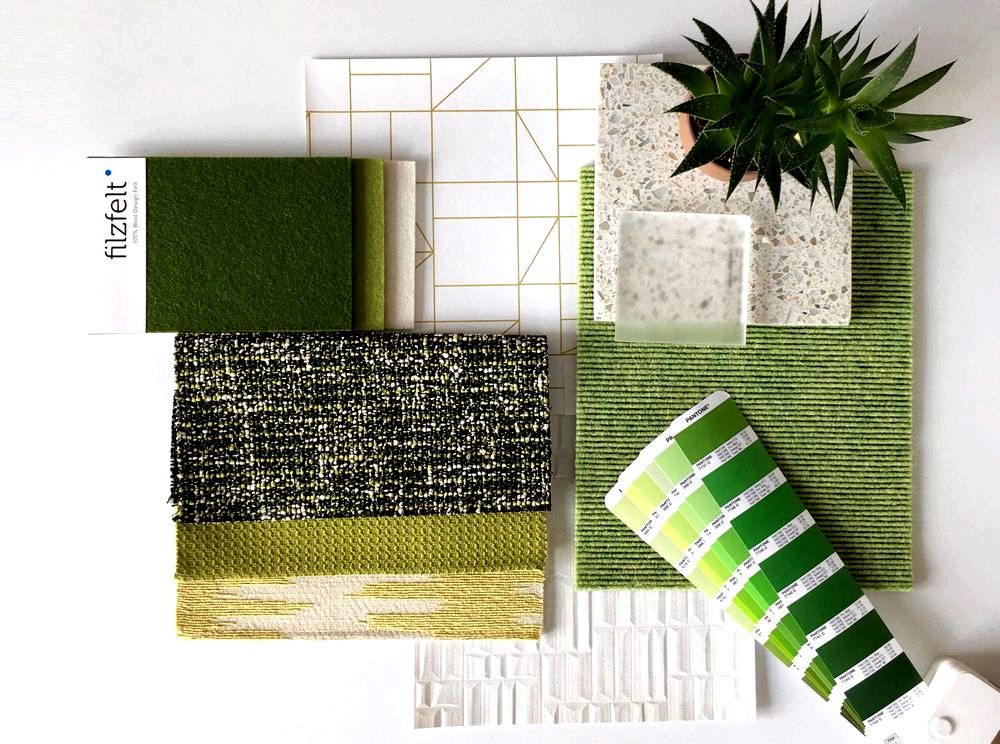
In the unique era we live in, the importance of waste-free design is higher than ever. One way to achieve this is by using recycled materials. These materials come from renewed sources or materials that have reached the end of their initial life cycle and are transferred to a new and recycled life cycle.
There are many advantages to using recycled materials, such as saving natural resources, less environmental impact, and reducing waste. Additionally, through innovation and the use of recycled materials, unique and interesting designs can be created that will upgrade the look of any space.
When we choose to work with recycled materials, we promote sustainability values and influence the sense of responsibility towards the environment and future generations. Waste-free design is not just a trend but an intrinsic demand that we must promote and uphold in every design project we encounter.
3. Plants and Greenery at Home
Plants are not only decorative but also enrich the air in the home. Additionally, they may reduce noise and create better air quality. When planning for waste-free design, it is important to focus on plants that require minimal care and are easy to maintain.
The choice of suitable plants depends mainly on the natural light available in the home, the climate, and the humidity level. There are plants that thrive in direct light, and there are plants suitable for environments with less light. You can choose between small plants for work tables or shelves, and large plants for furniture and seating areas.
The most popular plants for waste-free design are Sansevieria, Pothos, ZZ plant, Ficus, Dragon tree, and more. Also, don’t forget to update yourself on the growth requirements of each plant and consider the time you can allocate for their care.
Existing design can integrate beautifully into waste-free design
Rebecca Levy – Graphic Designer
Upcycled and Redesigned Furniture
When talking about waste-free design, it is essential to mention the importance of upcycled and redesigned furniture. Old and irrelevant furniture can become valuable material and serve as part of the new design of the home. When redesigning old furniture, unique and interesting spaces can be created that will significantly enhance the home.
Upcycled and redesigned furniture has many advantages, such as saving money, reducing waste, and creating a green and environmentally friendly space. Additionally, upcycled furniture can add style and uniqueness to the home and create a warm and inviting atmosphere.
Therefore, it is important to choose furniture that looks good and has the potential for change and upgrade. You can paint, change the appearance, add accessories, and make minor renovations to turn old furniture into new and redesigned pieces.
Using Reused Tools and Accessories
Another creative way to design without waste is to reuse tools and accessories. When we use items we already have at home and reuse them creatively, we reduce the need to purchase new items and thereby reduce the amount of solid waste we generate. There is a wide variety of tools and accessories that can be creatively reused.
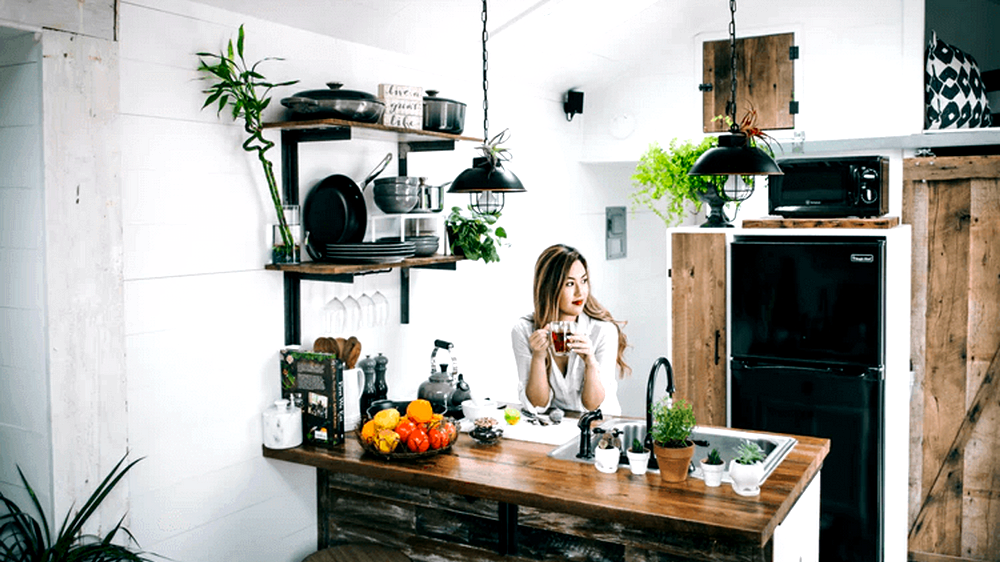
For example, you can upgrade the look of the dining room by painting old chairs in a modern color or a color that matches the room design. You can also use empty glass bottles to create beautiful and unique lamps or use old kitchenware as planters.
Furthermore, you can also upgrade the exterior environment of the home by creating a vegetable garden or flowers in recycled plastic trees or plastic bottles that can be used as pots for plants.
In this way, not only can you save money on new items, but you can also create a beautiful and interesting environment using tools and accessories already present in the home.
Green Solutions for Storage and Organization
Design without waste is an approach that promotes the use of natural and recycled materials during the planning and construction of the space. In the current era, great importance is placed on environmental sustainability and waste reduction. In this article, we will review several green solutions for storage and organization that can help you implement waste-free design in your home or office.
Commitment to using quality and natural materials is part of waste-free design
Nathaniel Cohen – Architect
One of the leading solutions for green storage and organization is the use of recycled materials. Instead of purchasing new products, you can use second-hand items and create unique storage solutions from them. This way, you can save natural resources and reduce waste.
Another solution is to switch to using cabinets and shelves made of natural materials such as recycled wood or bamboo. This way, you can create a unique and ecological look for your storage space while preserving the environment.
For green storage and organization, emphasis can also be placed on using multi-purpose products and reusing items. For example, you can use unique glass jars to store jewelry or cleaning materials, and not throw them away after they are empty.
In conclusion, waste-free design is not just a modern trend but a vital ecological demand in the current era. Each of us must consider green solutions for storage and organization to contribute to environmental conservation and waste reduction in the world.
7. Creating a Green and Clean Home Feel
Design without waste offers you the opportunity to create a green and clean home feel by using natural and healthy materials. You can add plants while designing your home, use nature images, or create green corners in your living space. Additionally, using recycled materials and upgrading your home in an ecological and environmentally friendly way.
Investing in quality and green design will give you a sense of calm and peace at home, improve air quality in the space, and enhance the positive energy level in your environment. The cleanliness and natural feel you create will make you feel good and enjoy a less cluttered and less waste-filled environment.