



Energy Saving Technologies in Interior Design
Innovative technologies can be an efficient tool for saving energy in interior design. The use of these technologies may lead to reduced energy consumption, improved air quality, and reduced environmental impact. This article examines how innovative technologies can contribute to energy saving in interior design.
One of the innovative technologies that can be useful in interior design is the use of smart lighting. Smart lighting allows us to control lighting remotely, tailor lighting to specific needs, and save energy efficiently. In addition, LED technology can be effective for energy saving in interior design, as it provides high-quality lighting with low energy consumption.
Other innovative technologies that assist in energy saving in interior design are smart automation systems and window transparency. Smart automation systems allow us to control electrical systems, air conditioning, and lighting in a smart and efficient manner. Additionally, window transparency enables interior design that utilizes natural lighting and allows energy savings by maximizing natural light.
In conclusion, innovative technologies such as smart lighting, LED technology, smart automation systems, and window transparency can contribute to energy saving in interior design. By using these technologies in interior design, it is possible to improve quality of life, save costs, and reduce our impact on the environment.
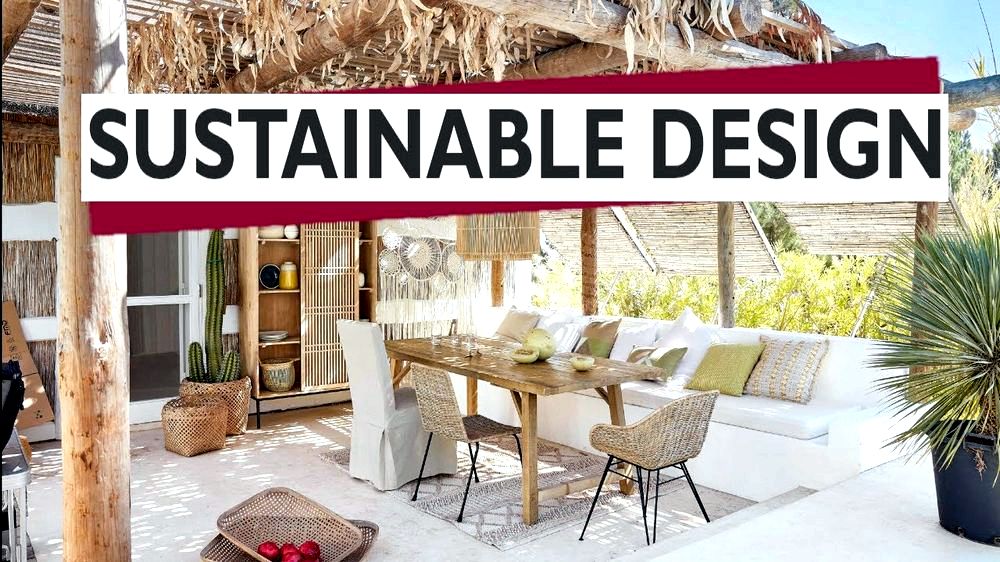
Smart Solutions for Energy Saving in the Home Environment
Energy-saving technologies are an integral part of today’s smart home design. In an era where natural resources are dwindling and prices are rising, it is very important to find smart ways to save energy and reduce costs associated with electricity and heating in the home.
Fortunately, there are advanced technologies that can be used to save energy in the home environment. One of them is the use of smart heating systems that allow adjusting home heating according to specific needs at any given time, reducing energy consumption and electricity costs.
Another useful technology is the use of smart lighting that allows remote control of home lighting and customization according to specific needs at any given time. This can save energy even when strong lighting is not needed in every room of the house.
Additionally, smart solar systems can be used to collect and store solar energy for use when needed. This is an efficient way to save energy and reduce reliance on conventional energy sources.
Using natural lighting and smart control systems can save energy efficiently
Amit Cohen – Energy Expert
Ultimately, the combination of energy-saving technologies and smart interior design can create a pleasant and cost-effective home environment that provides you with comfort and reduces your monthly expenses.
Proper deployment of windows and doors can improve building insulation and save energy
Noa Cohen – Insulation Specialist
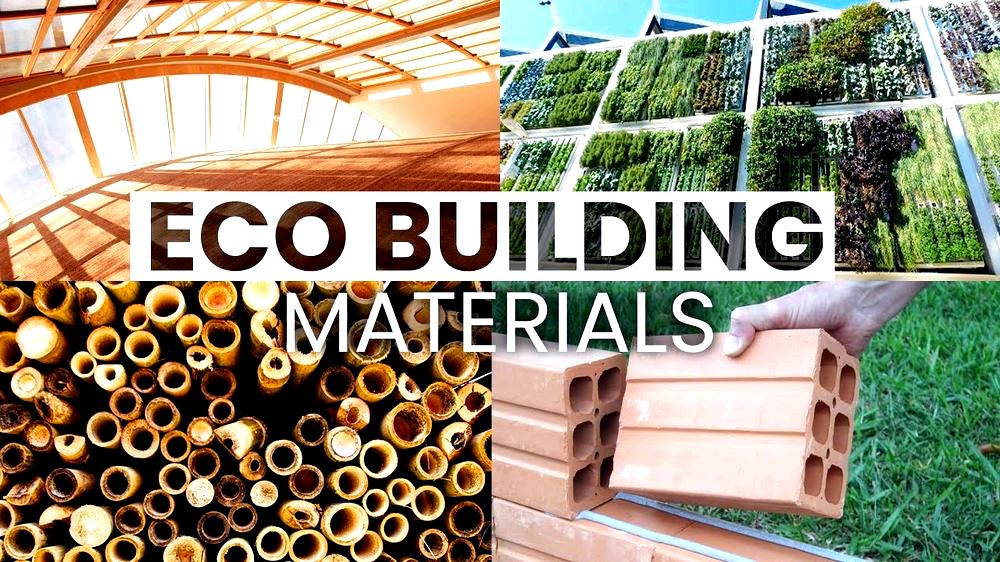
Using Renewable Energy Sources in Interior Design
Energy-saving technologies are used in interior design to create a green and eco-friendly environment. Using renewable energies such as solar, wind, and LED lighting may reduce energy consumption and maintenance costs.
Solar energy is used to produce electricity and heat through solar panels installed on roofs or in open areas. When the sun shines, the panels convert light into electricity that can be used in lighting and heating systems in the home.
Wind systems generate exceptional energy from the wind. Wind turbines powered by wind generate electricity that can be used to power electrical systems and electronics in the home.
LED lighting is a smart choice for interior design, as it consumes less energy than regular lighting and has a longer lifespan. This lighting can create a pleasant and ecological atmosphere in residential and office spaces.
Using energy-saving technologies in interior design is not just about cost savings and sustainability; it also contributes to environmental protection and has a positive impact on the environmental quality of the places where we live and work.
Smart Technologies for Controlling Energy Consumption in Homes
Modern technologies today offer advanced solutions for controlling and saving energy in homes. One of the most advanced technologies is smart systems for managing electricity and water consumption. By using sensors and data management systems, smart models for efficient energy use in homes can be established.
Additionally, smart technologies assist in controlling and managing electricity consumption in homes. Automatic systems for controlling home lighting and window transparency can reduce electricity consumption and save costs. Moreover, smart systems for controlling the heating and cooling system in homes can lead to significant energy savings.
Other smart technologies include smart solar systems for generating alternative and green energy, energy-efficient growth systems, and automation systems for energy systems in homes. Furthermore, smart software for controlling energy consumption and managing energy systems in the power grid enable remote monitoring and more efficient control.
Ultimately, using smart technologies to control energy consumption in homes can lead to significant cost savings and reduce environmental impact. Together with a policy of green and responsible energy consumption, smart technologies can help create smart and environmentally friendly homes.

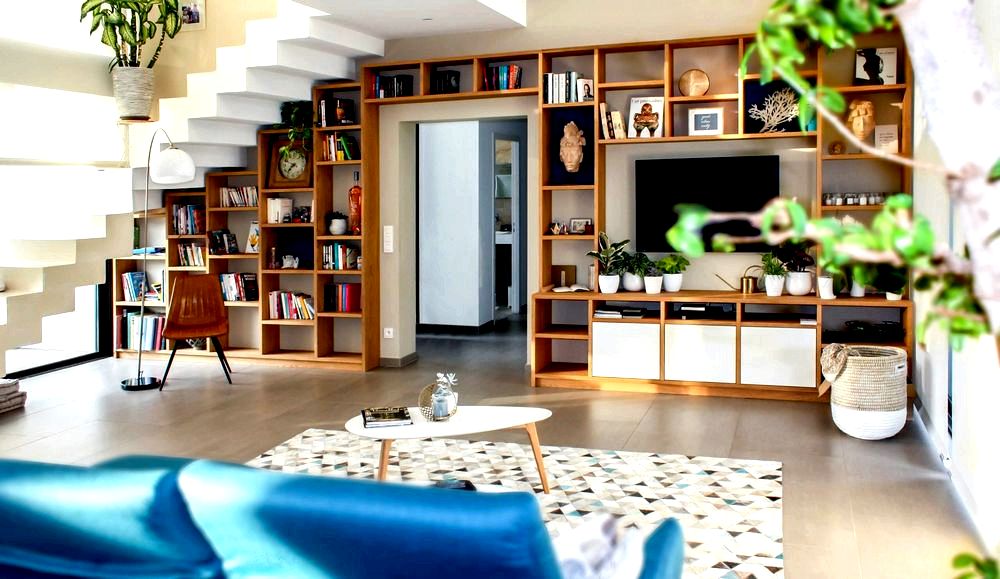
Investing in Energy-Saving Technologies in Interior Design
Energy savings are important for the environment and your wallet. Investing in energy-saving technologies in interior design can lead to significant savings in your electricity and water bills. Here are some tips and ideas for investing in smart technologies for your home:
- In Smart Lighting: Invest in replacing regular light bulbs with LED bulbs to save on your electricity bills. LED bulbs improve lighting performance and reduce energy consumption.
- In Heating and Cooling Systems: Investing in smart heating and cooling systems can save you a lot of energy. Smart heating systems contain sensors that identify when heating is needed and allow you to control the temperature smartly.
- In Air Purification Systems: Investing in smart air purification systems can improve air quality in the home and save energy. These systems detect levels of pollutants and acidity in the air and operate accordingly.
- In Smart Controls: Investing in smart controls can make it easier for you to control your home devices and help save energy. This way, you can turn on and off devices remotely and manage their electricity consumption.
- In Smart Electrical Systems: Investing in smart electrical systems such as smart security cameras and smart power strips can save you energy and improve home security.
In conclusion, when planning a smart interior design and energy saving, consider investing in smart technologies that can lead to significant energy savings and improve comfort and safety in your home.
The Ecological and Economic Impact of Energy-Saving Technologies in Interior Design
Energy-saving technologies in interior design are revolutionary solutions for improving energy efficiency in residential and commercial buildings. According to research, the use of these technologies can save energy significantly, making them a vital tool for reducing our impact on the environment and saving energy costs.
One of the key technologies is the use of solar energy cells to generate electricity. Solar energy cells can efficiently and cleanly convert solar energy into electricity. Installing solar energy cells on a house roof or commercial building can be a good investment that will quickly pay off through electricity savings.
Another important technology is the use of smart heating and cooling systems. These systems allow managing home heating and cooling automatically, according to needs and effectively. Additionally, they may reduce energy consumption and save electricity costs significantly.
Using ecological materials can promote energy savings in interior design
Liron Cohen – Interior Designer
Furthermore, using LED lighting in buildings can lead to significant energy savings and aesthetically illuminate spaces. LED lighting consumes less electricity than regular lighting and provides quality and clear lighting, which may improve the quality of life in buildings embedded with advanced technologies.
In conclusion, energy-saving technologies in interior design are vital tools for improving energy efficiency and reducing our impact on the environment. Additionally, they help save energy costs and improve the quality of life in buildings utilizing them. Each of these technologies provides an important contribution to the field and helps operate green and environmentally friendly buildings.