






The Poisoning of Hypoallergenic Materials
Hypoallergenic materials are substances capable of causing an allergic reaction in the human body. Certain allergenic substances can cause allergy symptoms such as skin irritation, eye irritation, throat irritation, and even severe anaphylactic reaction. In severe cases, hypoallergenic materials may lead to respiratory failure and even life-threatening situations.
When it comes to health design, it is important to pay attention to the hypoallergenic materials used in our living environment. These materials are found in furniture, clothing, shoes, toys, and more. To prevent poisoning from hypoallergenic materials, it is important to choose natural materials and avoid toxic chemicals.
In addition, it is advisable to check the quality and safety labels of each product entering the home to ensure that there are no hypoallergenic materials that could trigger an allergic reaction. Such quality labels may include official approvals and even chemical hazard symbols indicating the potential danger they may pose.

Being exposed to hypoallergenic materials in the workplace, it is important to report it to the institution’s management and request to operate in a clean environment free of hypoallergenic materials.
Types of Hypoallergenic Materials
When it comes to health design, it is important to avoid hypoallergenic materials that may cause allergic reactions and health problems. There are several types of hypoallergenic materials that should be avoided when dealing with interior design to reduce the risk of affecting your health.
One common type of hypoallergenic material is nickel. Nickel materials are found in many areas in homes and offices and may cause skin reactions and respiratory problems. It is advisable to avoid using materials containing nickel and look for natural and healthy alternatives.
Other hypoallergenic materials include formaldehyde, lead, and other toxic chemicals found in nickel and other building materials. When planning for health design, it is important to invest in healthy and non-hypoallergenic materials to preserve the residents’ health and create a healthy and pleasant living environment.
Health design is an important part of the step towards a healthy life
Sarah Cohen – Healthy menu planner
Their Impact on Health
Hypoallergenic materials can directly affect our health and cause various allergic reactions. The importance of using natural and healthy materials in interior design lies in providing a pleasant and comfortable user experience for many people. Hypoallergenic materials can cause skin irritations, wrinkles, and even reduce skin quality. Therefore, it is important to choose products containing only natural and healthy materials for our skin and avoid hypoallergenic materials that may cause negative skin reactions.
When planning for home or office design, it is important to consider the impact of hypoallergenic materials on our health and choose natural and healthy materials that will serve us in the best way possible. Check the ingredient list of the products we use to ensure they do not contain hypoallergenic materials that may cause negative skin reactions and affect our health in general.

In order to maintain our health and avoid allergic reactions and skin irritations, it is important to choose hypoallergenic and healthy materials that can provide a pleasant and safe user experience. Wise selection of healthy materials can improve our quality of life and preserve our health in the best possible way.
How to Identify Hypoallergenic Materials in the Environment
Care and attention to hypoallergenic materials are very important for maintaining our health and the environment’s health. How can we identify these materials in the environment around us?
1. Reading labels: Labels on products provide important information about their ingredients. It is important to read the labels and look for potentially hypoallergenic chemicals.
2. Choosing natural products: Natural and organic products contain fewer chemicals and substances that may cause toxicity in the body.
3. Use of natural cleaning materials: Many chemical substances in cleaning materials can cause toxicity or allergic reactions. It is preferable to use natural materials such as plant-based cleaning materials.

4. Environmental air quality check: Checking the air quality in the environment can reveal hypoallergenic materials present in the air and around us.
When choosing healthy materials, we build healthy homes
Dan Avner – Interior designer
5. Avoiding strong odors: Strong odors indicate the presence of chemicals in the air that may cause allergic reactions. It is advisable to avoid exposure to these odors.
Creating a Healthy Work Environment for People with Allergies
When designing a work environment for people with allergies, it is important to consider a number of important points in order to create a healthy and comfortable work environment for everyone. Here are some tips for designing a hypoallergenic work environment:
- Use healthy and non-allergenic materials – Choose natural and healthy materials such as wood, glass, and metals for office design and furniture.
- Maintain cleanliness – Cleanliness in the work environment is very important to prevent the spread of allergens and protect the employees’ health.
- Air filtration – Installing air filtration systems can help filter allergic particles from the air breathed in the work environment.
- Classification and separation – Separate different work areas and finish with the separation of special spaces for people with allergies to prevent contact with allergens.
In order to create a healthy and comfortable work environment for people with allergies, it is important to consider their needs and take into account the above tips. Implementing them will help improve quality of life and protect the health of employees in general.
Tips for Interior Design without Hypoallergenic Materials
1. Choosing natural and chemical-free colors may help alleviate your allergy symptoms. Choose earthy, natural, and light greens.
2. Use organic and chemical-free materials to reduce the risk of allergic reactions.
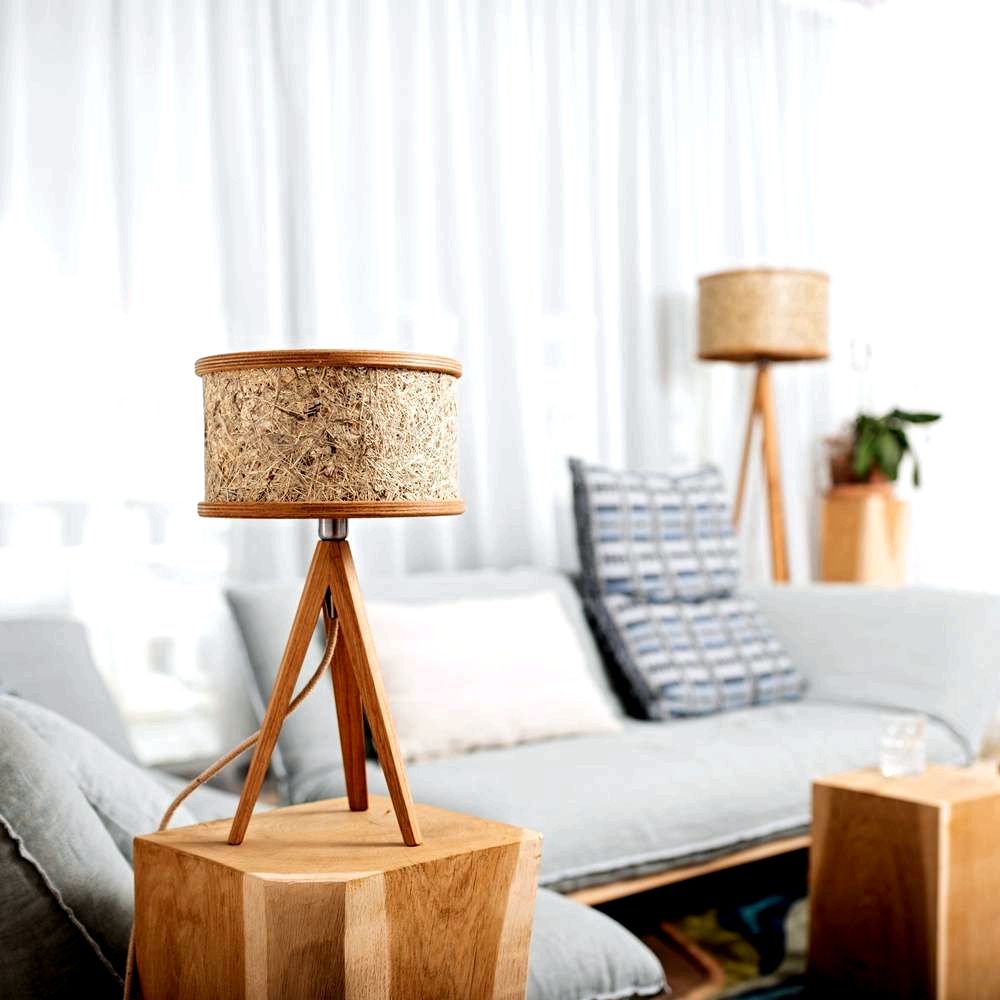
3. Choose high-quality wood furniture instead of laminate to avoid formaldehyde emissions that may cause allergic reactions.
4. Invest in natural and toxin-free cleaning products to maintain the air quality in your home.
5. Prefer organic textiles over synthetic ones to prevent skin sensitivities and allergic reactions.
6. And of course, remember to ventilate your home regularly and maintain regular cleanliness to prevent mold and harmful bacteria growth.
Healthy design is the foundation of healthy living
Ruth Cohen – Natural interior designer