



1. Investing in Upcycled Furniture
Zero waste design is a principle aimed at preserving a healthy environment and reducing our environmental impact. One of the important ways to achieve this is through investing in upcycled furniture.
Investing in upcycled furniture is an excellent way to reduce the amount of waste generated from furniture production. Upcycled furniture is furniture made from recycled materials, such as wood, metals, and plastic. In addition, investing in upcycled furniture may save money on new furniture and reduce our consumption of natural resources.
Zero waste design can be both beautiful and environmentally friendly.
Michael Levi – Interior Designer
Choosing upcycled furniture can be sustainable and ecological, as you receive furniture that already exists and transform it through processes of repairs and upgrades. Additionally, upcycled furniture can provide a unique and modern style to a home, where each piece tells its own story.
In conclusion, investing in upcycled furniture is an important and vital step towards zero waste design. When we choose upcycled furniture, we help preserve our environment and create a home that can serve us over time in an ecological and environmentally friendly manner.
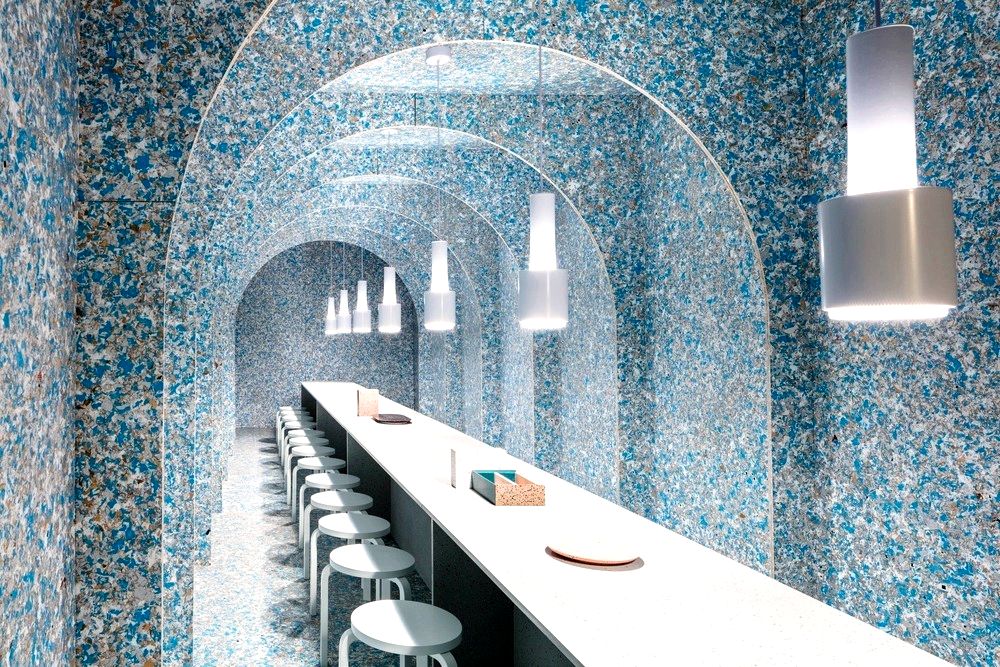
2. Using Natural and Biological Materials
Using natural and biological materials is an important part of zero waste design. These materials come from natural sources and do not harm the environment. Additionally, they are recyclable and sustainable, promoting creativity and innovation in the field of design.
Choosing natural materials such as wood, ceramics, and especially plants creates a warm and calming environment. Furthermore, the combination of natural materials with biological materials can create a sense of balance and harmony in the environment.
Natural and biological materials are easily attainable at reasonable prices, making them a common and cost-effective choice for home and office design. This enables the creation of a green and environmentally friendly environment without compromising on aesthetics or comfort.
3. Smart Design and Functional Spaces
Zero waste design is a new approach that aims to align the interior world with the natural environment and create functional and beautiful spaces. However, smart design is another important step that can be taken to ensure that the space is not only beautiful but also efficient and cost-effective for daily use.
Smart design is based on a combination of different ideas and techniques aimed at improving user experience and creating practical and pleasant spaces. When planning smart design, we consider every detail and the functions of the space, trying to find creative solutions to achieve the desired result.
In smart design and functional spaces, various tools and materials can be used to create interesting effects and aesthetics. Colors, natural materials, and even plants can be used to create spaces that blend functionality with aesthetic beauty.
4. Using Environmentally Friendly Colors and Paintings
In zero waste design, it is important to focus on using colors and paintings that are environmentally friendly. When choosing colors for our home or office spaces, it is advisable to opt for natural and refreshing colors that provide a sense of calm and comfort. Additionally, it is important to avoid using toxic materials that may cause pollution and harm the environment.
Furthermore, to create a positive and impressive environment, emphasis can be placed on paintings and pictures that provide a warm and personalized atmosphere. Paintings of nature, artworks, or pictures that encourage calm and tranquility in our spaces can be chosen.
In summary, using environmentally friendly colors and paintings is an important part of zero waste design. We should choose colors and paintings that provide calmness, comfort, and a positive atmosphere, while avoiding the use of toxic materials that may cause pollution.
5. Investing in Green Energy and Resource Conservation
Investing in green energy and resource conservation is an important part of zero waste design. Choosing environmentally friendly materials and using innovative technologies can lead to energy savings and reduce the impact on the environment.
For example, choosing LED lighting instead of traditional lighting can lead to significant savings in electricity consumption and a greener environment. Additionally, using recycled and renewable materials can help prevent waste and improve environmental quality.
Furthermore, focusing on the design of green spaces and using natural vegetation can create a pleasant and healthy atmosphere. Considering the use of smart heating and cooling systems that can improve building performance and reduce energy consumption is also important.
Considering usability and comfort in design planning is especially important.
Oren Cohen – Interior Designer
In conclusion, investing in green energy and resource conservation is an integral part of zero waste design that can lead to positive outcomes for the environment and the user experience in buildings. These choices can impact the future of interior design and the environment positively and significantly.
6. Using Repairable and Upgradable Furniture
One of the leading ways to achieve zero waste design is to use furniture that is repairable and upgradable. Such furniture allows us to extend the life cycle of our furniture and avoid disposal. When choosing furniture that can be upgraded, we indicate quality and environmental support.
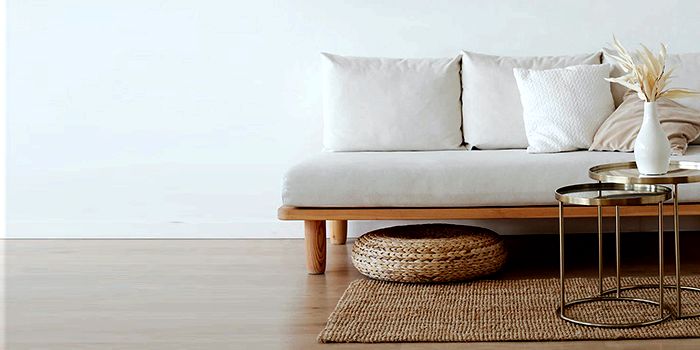
Furniture that can be repaired and upgraded comes in a wide variety of styles and designs, making it possible to find the most suitable furniture for our design style. Additionally, this furniture allows us to adapt the furniture to our changing needs, making them more stable and comfortable to use.
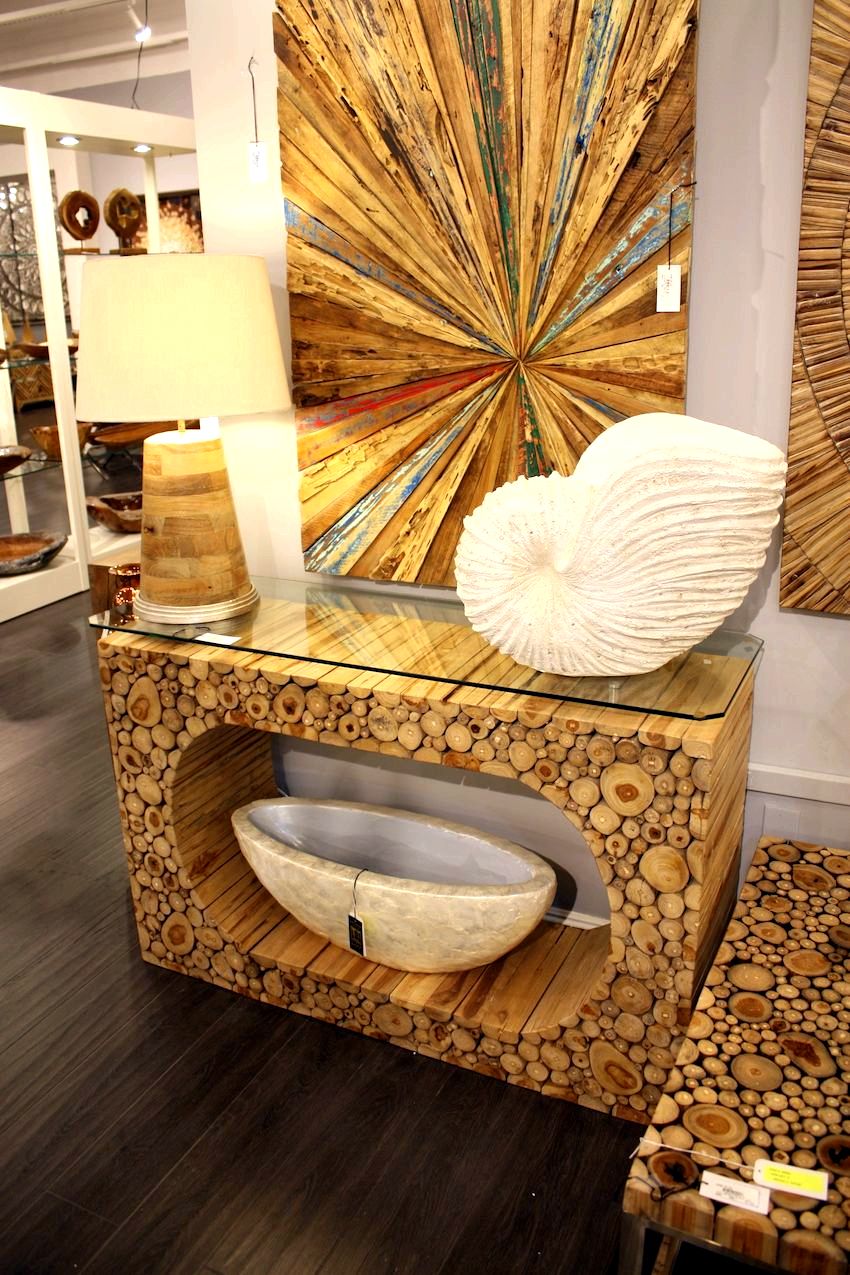
Another important implication of using repairable and upgradable furniture is the ability to save money. When investing in quality furniture that can be upgraded, we are guaranteed many years of use without the need to replace furniture regularly. This helps us save money on purchasing new furniture and reduce the amount of waste we create.
The importance of durable and quality materials should be at the center of zero waste design.
Lea Cohen – Interior Designer
7. Technological Innovations for Smart and Environmentally Friendly Design
Advanced technology offers smart and environmentally friendly solutions for zero waste design. Smart electrical systems allow intelligent and efficient management of energy consumption. Smart sensors aid in identifying energy and water needs and help reduce their impact on the environment.
Smart lighting systems enable adjustment of home lighting according to need, saving energy and reducing light pollution. Intelligent temperature control systems help save energy and reduce heating and cooling waste.
Smart technology enables smart use of water and durable materials, thereby reducing environmental waste and helping preserve the environment. Environmentally friendly electrical tools assist in saving energy and reducing chemical and pollutant waste.
In conclusion, the combination of zero waste design and advanced technology allows for the creation of a smart and environmentally friendly living environment that minimizes its impact on the environment and helps preserve the Earth for future generations.