



Advantages of Eco-Friendly Materials
Eco-friendly materials are an important part of modern and healthy interior design. They offer numerous benefits and provide innovative and green solutions for home design. Here are some of the key advantages of eco-friendly materials:
1. Eco-friendly materials are good for the environment – they are produced in a green way and do not harm the environment. This gives them a significant advantage over regular materials, whose combination creates waste and negative environmental impacts.
2. Eco-friendly materials can be found at reasonable prices – the market for eco-friendly materials is growing and developing, so their prices have decreased, making them more accessible to the general public.
3. Eco-friendly materials are health-friendly – unlike regular chemical materials, eco-friendly materials do not contain harmful substances that could harm human health and the environment.
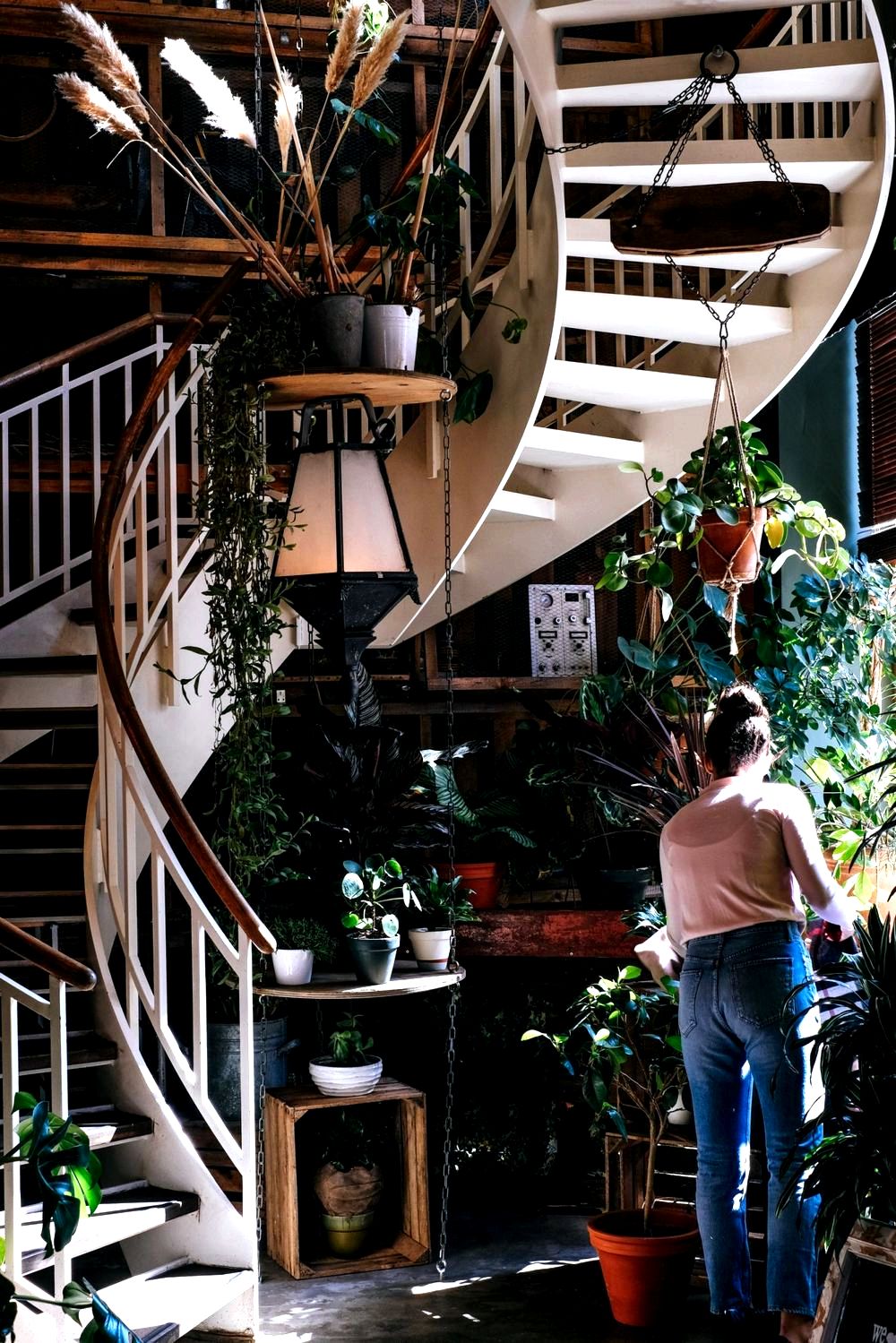
4. There are also eco-friendly materials that come from recycled sources, thus helping to conserve nature and the natural resources of the Earth.
5. Eco-friendly materials come in a variety of colors, textures, and designs, making it easy to find eco-friendly materials that suit the desired design style.
Nature allows us to use eco-friendly materials in home design in a creative and aesthetic way.
Dana Cohen – Interior Designer
In summary, eco-friendly materials offer green, environmentally friendly, and healthy solutions for human health. They can help create a modern and unique interior design that enhances the appearance and improves the quality of life at home.
Trends in Interior Design with Eco-Friendly Materials
In the modern era, there is a wide variety of eco-friendly materials that can be used in interior design. More and more designers are inventing new and interesting ways to incorporate eco-friendly materials into interior design, creating a unique and ecological design experience for clients.
One of the main trends in interior design today is the use of eco-friendly materials as part of the design. Materials such as recycled wood, organic cotton, recycled plastic, and recycled glass are widely used, giving interior design a natural and environmentally friendly look.
Additionally, there is a wide variety of colors and textures available in eco-friendly materials, allowing for the creation of stunning and modern designs using these materials.
In conclusion, interior design with eco-friendly materials is a developing trend that integrates into modern interior design, offering many options for creating unique and modern designs.
How to Choose Eco-Friendly Materials for Interior Design
In a world where sustainability is a guiding principle, it is important to understand what ecological interior design entails. Ecological interior design is a process that uses natural and organic materials to create a beautiful and healthy appearance for the skin. Before choosing eco-friendly materials for interior design, it is important to understand the principles that guide the choice.

First and foremost, choose materials that do not contain harmful chemicals for the skin and the environment. Materials such as plant extracts, vegetable oils, and essential oils are examples of organic materials that can improve skin appearance without causing harm.
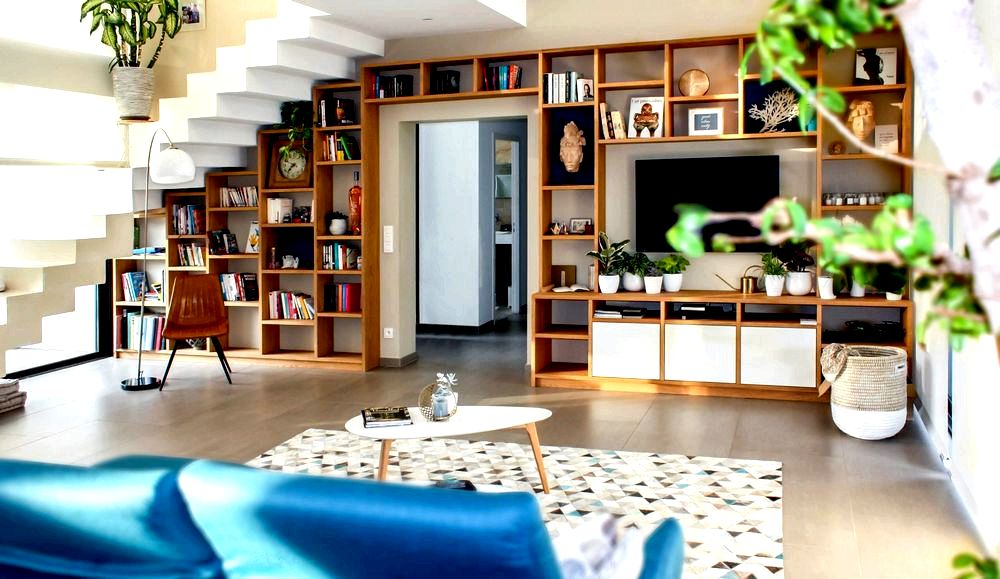
Therefore, it is important to choose eco-friendly materials that do not contain harmful chemicals and derive their source from food. Materials such as shea butter, coconut oil, and cocoa leave the skin soft and moisturized without harming the living organisms on the skin.
Additionally, it is important to choose eco-friendly materials that are packaged in recycled containers and can be recycled after use. Recycling reduces environmental impact and reduces the amount of waste released into the environment.
In summary, choosing eco-friendly materials for interior design is an excellent way to care for the skin and the environment. We must choose organic materials, without harmful chemicals, and ensure the recycling of materials to preserve our planet.
Using eco-friendly materials in home design provides residents with a sense of peace and tranquility.
Aviva Cohen – Psychologist
Examples of Interior Design with Eco-Friendly Materials
In interior design with eco-friendly materials, a wide variety of natural materials can be used to create a healthy and environmentally friendly environment. This approach allows for the creation of unique and stylish designs while contributing to environmental conservation and promoting sustainable and ecological ideas.
One example of interior design with eco-friendly materials is the use of recycled wood as a prominent material in interior design. Recycled wood is a natural material made from reinforced materials in a special process that prevents harmful environmental impact. In addition, using recycled wood provides interior design with a unique and original look that offers a natural and warm touch.
Another eco-friendly material that can be used in interior design is natural cork. Natural cork is a high-quality and durable material made from recycled polyurethane pellets. Using natural cork gives interior design a modern and elegant look, aiding in environmental conservation by using recycled materials.
Interior design with eco-friendly materials allows for the creation of a unique and special environment that combines beauty and aesthetics with environmental preservation and natural quality. Smart choice of eco-friendly materials can lead to perfect interior design that integrates digital, ecological, and sustainable ideas.
Tips for Efficient Use of Eco-Friendly Materials in Interior Design
Eco-friendly materials are an integral part of modern interior design. They provide us with the opportunity to create beautiful and healthy spaces in our homes without harming the environment. To achieve this, it is important to know how to use them efficiently and correctly. Here are some tips to help you design in an ecological and environmentally friendly way:
1. Choosing natural materials: Always choose eco-friendly and natural materials for your interior design. Materials like wood, natural leather, organic cotton, and recycled cardboard are just some of the options available on the market today.
2. Use recycled materials: When choosing furniture or accessories for design, it is better to choose recycled materials. This will help you reduce your environmental impact and preserve special materials.
3. Choosing eco-friendly lighting: Opt for eco-friendly and energy-efficient lighting for your home. Use LED or CFL bulbs, and prefer natural lighting whenever possible.
4. Use eco-friendly colors: Choose eco-friendly and environmentally friendly colors for your color palette. Colors like lavender, terra cotta, and brown create a warm and pleasant atmosphere.
5. Eco-friendly cleaning and care: Choose natural and eco-friendly cleaning and care products. Clean your home with organic cleaning materials and natural soap.
If you follow these tips and use eco-friendly materials, you can create a beautiful and environmentally friendly interior design. Start working on your design today and enjoy beautiful and environmentally friendly results!
The Impact of Eco-Friendly Materials on the Environment and Health
Eco-friendly materials in interior design contribute to improving environmental quality and preserving our health and environment. Unlike common chemical materials in interior design, eco-friendly materials do not harm the environment and health.
I believe that the future of design lies in the combination of beauty and ecology.
Oren Levi – Interior Designer
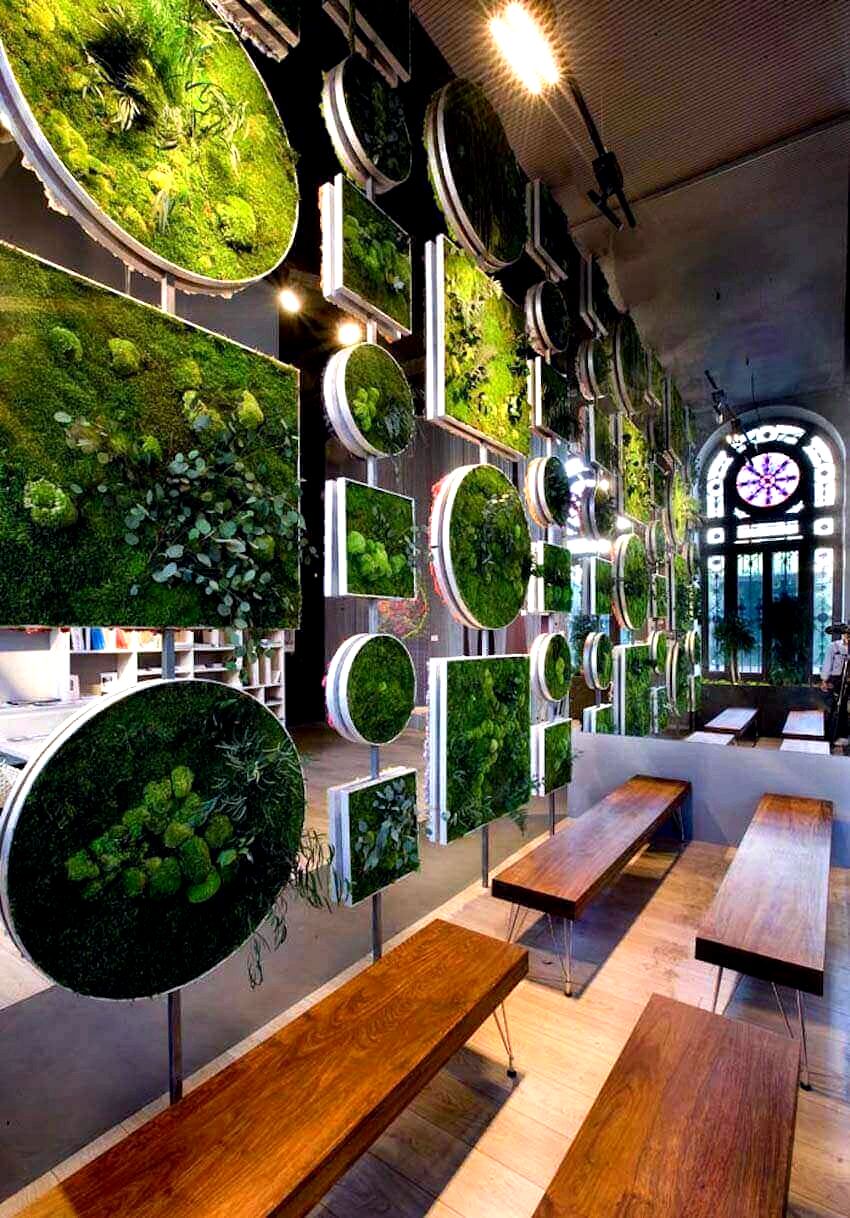
Using eco-friendly materials contributes to reducing damage to the natural ecosystem and human health. Eco-friendly materials are wonderful for use in interior design because they do not contain harmful substances such as petrochemicals, plastics, and polymer materials.
When we use eco-friendly materials in interior design, we pay attention to preserving the quality of the air, water, and soil. Additionally, we focus on our health and the health of our environment without causing harm to either.
Therefore, it is important to choose eco-friendly materials in interior design and promote their use to preserve our environment and the health of current and future generations.
Risks and Overcoming Them in the Use of Eco-Friendly Materials in Interior Design
In interior design, eco-friendly materials are used to create a healthy and environmentally friendly environment. However, there are risks that can harm the environment or human health. Fortunately, there are ways to overcome these risks and use eco-friendly materials safely and responsibly.
One of the main risks of using eco-friendly materials is their limited functionality under certain conditions, such as high or low temperatures. To overcome this, it is important to store materials in a suitable place and maintain proper storage conditions.
Another risk is the noise from interior design machines that may be harmful to hearing. To reduce this risk, it is advisable to work in solid spaces and use personal protective equipment.
Another risk is the influence of eco-friendly materials on the health of workers in interior design. To overcome this, it is important to use eco-friendly materials according to the manufacturer’s instructions and avoid direct contact with the materials.
In conclusion, to use eco-friendly materials in interior design safely, it is important to be aware of possible risks and act accordingly. This way, you can create a healthy and environmentally friendly environment while ensuring the health of humans and the environment.