



The Impact of Minimalism on Resource Consumption and its Effect on the Environment
Minimalism is a design approach that promotes simplicity, cleanliness, and owning fewer material possessions. This mindset encourages people to carefully consider their needs and choose only what is truly important and useful to them.
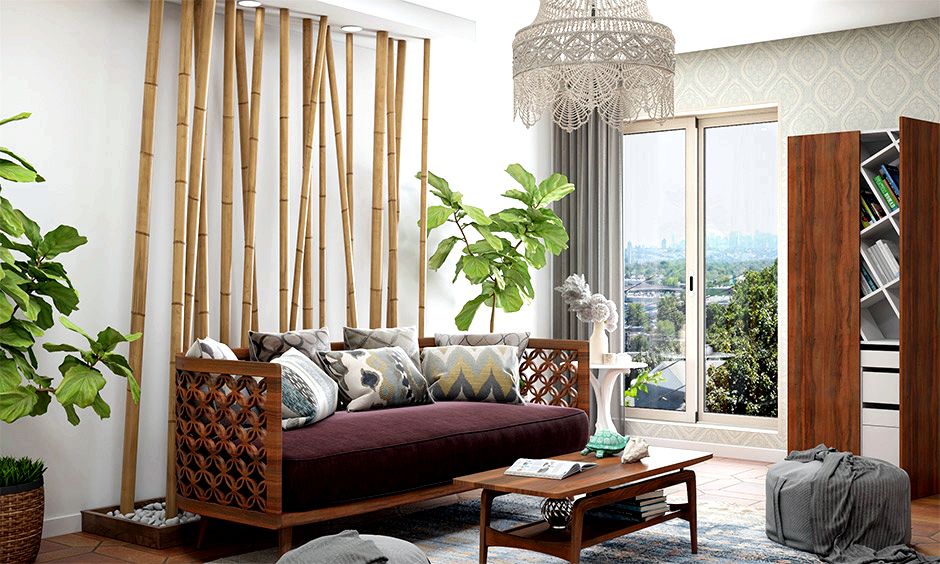
In an era where consumption and environmental degradation are happening at an alarming rate, minimalism is an important and meaningful value. According to this approach, the more we reduce our resource and material consumption, the more we can reduce our carbon footprint and preserve the environment.
Minimalism promotes smart and planned use of resources such as water, energy, and raw materials. By working to reduce resource consumption, we lessen the burden on the environment and align our activities with a natural and sustainable course.
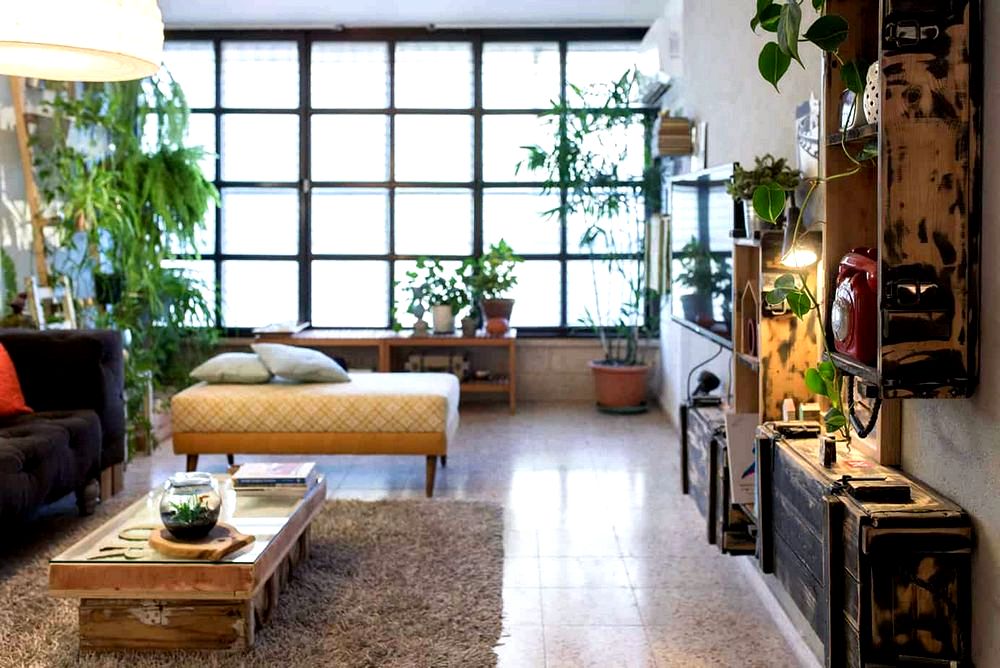
For example, in minimalist interior design, we use natural and sharp materials, bathe the home in natural light, and avoid unnecessary use of electronic equipment. Every item in the house is carefully chosen, reducing the need for excessive and unnecessary production.
Less is more
Abigail Cohen – Garden Designer
By following these principles, minimalism helps reduce waste generation and preserve natural resources. Thus, it can be seen that design in the minimalist approach influences how we use resources and our impact on the environment.
Functional and Environmentally Friendly Design
Functional and environmentally friendly design is a central principle in a mindset that combines modern and ecological design. In the era we live in, we need to consider not only the need for functionality and comfort but also our impact on the environment and the preservation of the earth.
Functional design seeks to understand the user’s needs and create solutions that improve their quality of life. When combined with environmental friendliness, the result is a design that integrates natural materials, green manufacturing methods, and smart use of space to save energy and reduce waste.
Functional and environmentally friendly design focuses on combining the aesthetic appearance of the design with usability and long-term sustainability. An example of this could be the use of recycled materials, smart design that uses natural light and good insulation to save energy, and design solutions that create a sense of calm and comfort.
Balance begins with simplicity
Naama Golan – Ecologist
In conclusion, functional and environmentally friendly design is an advanced approach that helps us maintain a balance between our daily needs and environmental requirements, creating living and working environments that are healthy and environmentally friendly.
3. Integration of Natural Materials and Recycled Products in Home Design
In this article, we will examine the importance of integrating natural materials and recycled products in home design. There are many benefits to using natural materials and recycled products, such as promoting a healthier environment, saving natural resources, and reducing waste. In home design, it is important to focus on combining the capabilities of natural materials with the modern capabilities of recycled products.
In this combination, creative solutions can be found for home design that enhance its aesthetics and advance the environmental quality of the space. The use of natural materials such as wood, stone, and bamboo, combined with recycled products such as recycled glass and metals, can create a warm and environmentally friendly atmosphere in the home.
Additionally, when we combine natural materials with recycled products, we can create a unique design that combines modernity with natural elements. This allows us to create a new and interesting experience in the home space while preserving the environment and natural resources.
In summary, the integration of natural materials and recycled products in home design is a crucial step in creating a balance between aesthetics and the environment. By using these materials, we can create beautiful and pleasant homes that help preserve the environment and create a better future for all of us.
4. Use of Natural and Neutral Colors in Interior Design
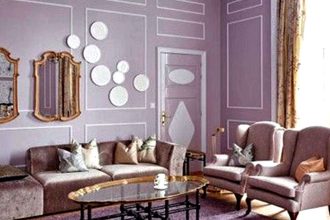
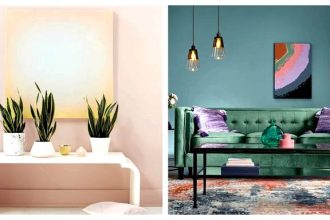
In the modern era of interior design, against the backdrop of minimalism and ecology, it is important to focus on using natural and neutral colors. When you can create a good balance between warm and cool colors, you will achieve a complete and impressive result in your interior design.
Natural and neutral colors provide a sense of calm and relaxation in a space, especially suitable for minimalist design styles. When you choose such colors, you can create a sense of cleanliness and order in every space you find.
In addition, choosing natural and neutral colors allows you to improve the air quality in your interior space. Thus, you can enjoy a green and healthy environment that conveys a sense of calm and tranquility.
In conclusion, the use of natural and neutral colors in interior design is a perfect choice for those seeking balance, cleanliness, and peace in their living space. Let colors be the first thing that greets you when entering a space, and feel how they create a good and calming atmosphere in every room.
5. Implementation of Ecological Approaches in Home and Daily Life Design
When discussing home and daily life design in an ecological approach, it is important to emphasize the use of natural and environmentally friendly materials. For example, you can use furniture made from recycled wood, furniture made from sustainably maintained wood, furniture with an eco-label, or furniture made from recycled plastic.
Furthermore, to save energy and reduce noise and air pollution at home, it is recommended to use double-glazed windows or windows with a heat-reflective coating. Additionally, you can use energy-efficient lighting, invest in smart heating and cooling systems, and reduce the use of single-use plastics and products requiring disposable versions.
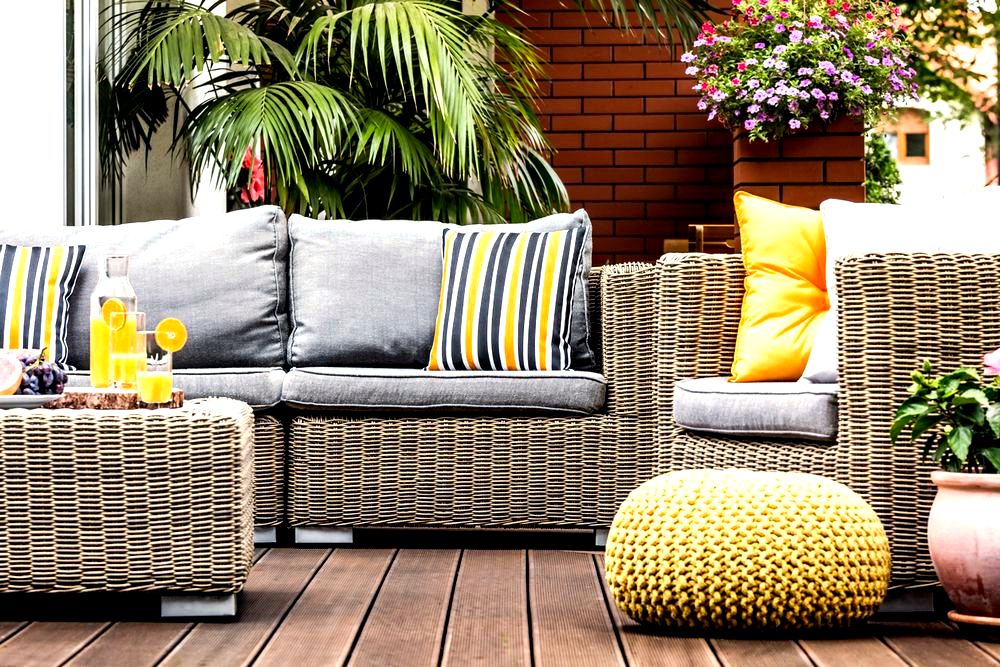
Moreover, enhancing the air quality at home can be achieved by investing in indoor plants, using natural and non-toxic colors, and using environmentally friendly cleaning materials that are pet-friendly.
Ultimately, ecological design helps create a balance between the aesthetics and functionality of the home, creating a healthy and pleasant living environment, and preserving the environment and natural resources for future generations.
6. Implementation of Energy Efficiency Principles in Interior Design
When incorporating energy efficiency principles into our interior design, there are several ways to do so. Firstly, you can use natural lighting as much as possible by using large windows and thereby save on electricity for lighting during the day. Additionally, it is advisable to choose efficient electric lighting, such as LED bulbs, which provide high-quality lighting and consume less energy.
Another way to implement energy efficiency is by choosing eco-friendly furniture and building materials that require fewer natural resources and reduce environmental impact. Additionally, consider using high-efficiency heating and cooling systems, such as underfloor heating systems or energy-saving cooling systems.
Recently, there are innovative technologies like smart homes that allow us to control energy consumption in a smarter and more efficient way. By integrating all of these ideas into our interior design, we can create a home that is not only beautiful and visually appealing but also energy-efficient and environmentally friendly.
Creating Open Spaces and Breathing Room in Home Design
Open spaces in home design provide a sense of spirituality and tranquility, allowing air to flow freely. In addition, places for breathing and focus help create a calm and soothing atmosphere in the home.
To create open spaces in home design, you can use solutions such as smooth walls, large windows, and doors that allow free access between spaces. This way, you can create a sense of spaciousness and openness in the home.
To create a breathing space in home design, you can use natural makeup, plants, and minimalist items that represent peace and harmony. Creating small corners for meditation or reading can enhance the atmosphere in the home and create moments of calm and serenity.
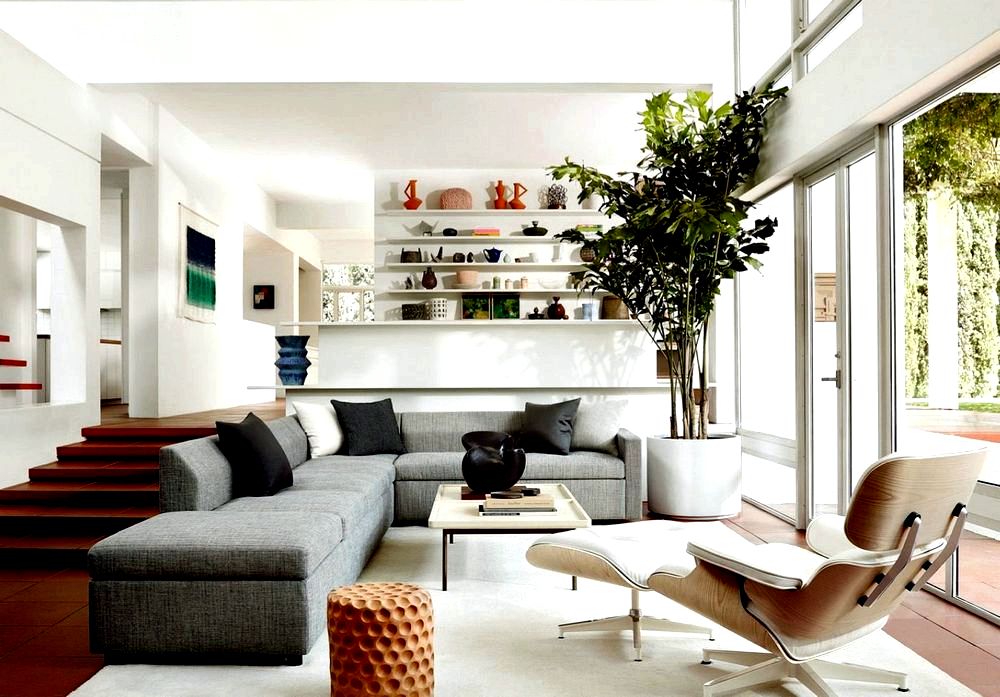
In home design in a minimalist and ecological style, it is important to use natural materials and avoid using materials harmful to the environment. Choosing functional and simple furniture can enhance the aesthetics of the home and create a sense of cleanliness and order.
Why build when you can create?
Adam Cohen – Interior Designer